
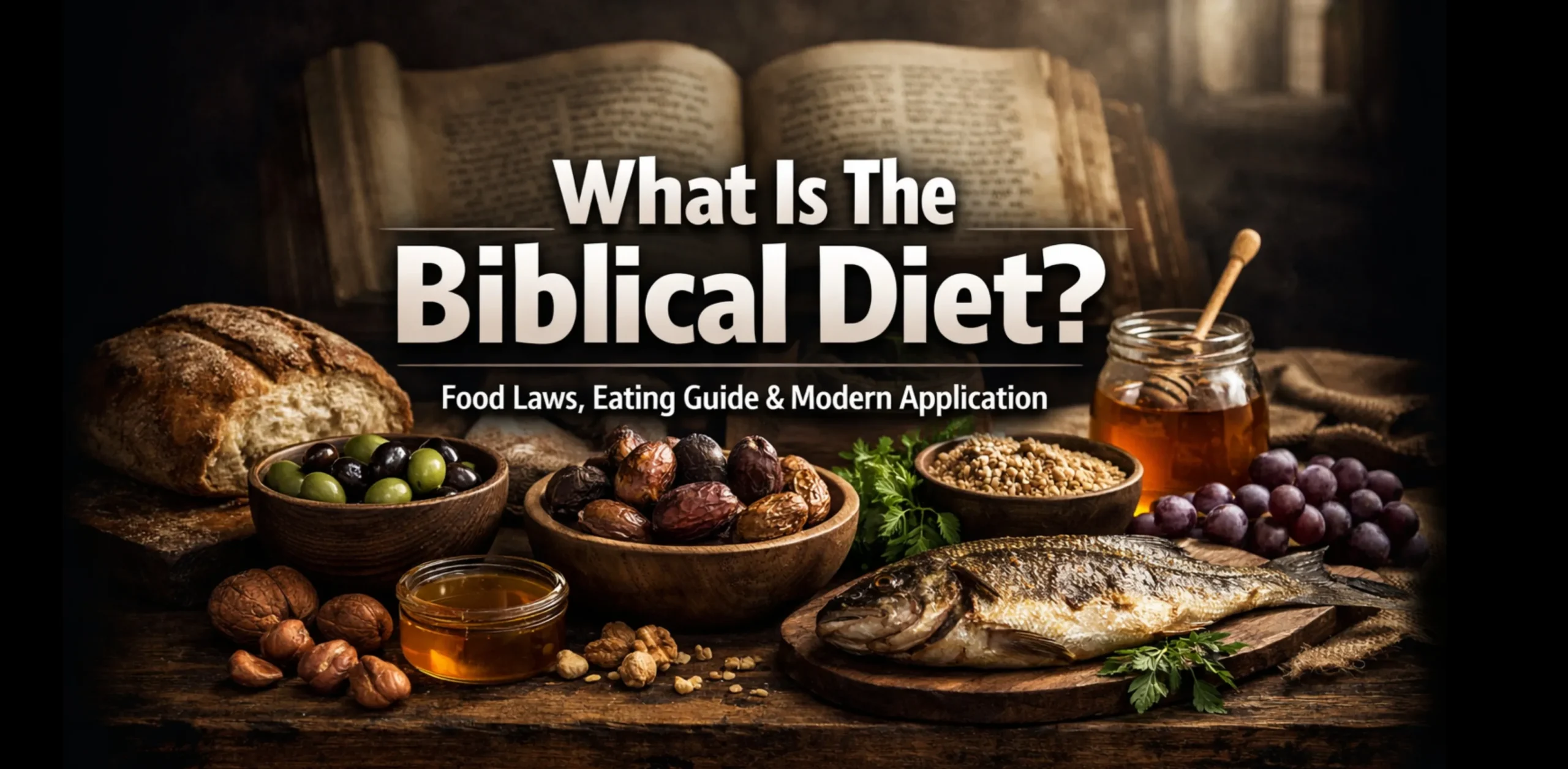
In a world filled with processed foods and confusing diet trends, many people are asking a deeper question: what is the biblical diet, and how does it relate to healthy living today? The Bible doesn’t present a modern “diet plan,” but it does reveal powerful principles about food, discipline, and honoring God with our bodies.
This guide will help you clearly understand what people ate in biblical times, which foods are considered clean or unclean, and how you can apply these principles in your daily life. Whether you’re seeking better health, spiritual growth, or a simpler lifestyle, the biblical approach to eating offers both clarity and purpose.
Understanding the Biblical Diet in Simple Terms
Core Meaning of Biblical Eating
At its core, the biblical diet is not a strict, modern diet plan it is a way of eating based on the foods and principles found in Scripture. When people ask what is the biblical diet, they are really asking how God originally designed humans to eat and live.
The Bible points toward a pattern of eating that includes:
- Natural, whole foods created by God
- Minimal processing or human alteration
- A balance of plant-based and clean animal foods
- A mindset of gratitude and self-control
This approach is less about rigid rules and more about aligning food choices with God’s design for the human body. It emphasizes simplicity, nourishment, and intentional living rather than restriction or trend-based dieting.
God’s Original Food Design in Genesis
The First Diet Given to Humanity
To truly understand the biblical diet, we must begin at the very start God’s original instruction to humanity. In the book of Genesis, the first dietary guideline given to humans was simple and pure: plant-based nourishment.
God provided:
- Seed-bearing plants
- Fruits from trees
- Natural vegetation
This reveals that the earliest form of human diet was centered on whole, unprocessed plant foods. There was no mention of processed meals, artificial ingredients, or complex food systems only what was naturally created and provided.
This foundation is often referred to as the Genesis diet, and it reflects a lifestyle of simplicity, purity, and complete dependence on God’s provision.
Complete Breakdown of Foods Mentioned in Scripture
Plant Foods Referenced in the Bible
The Bible frequently highlights plant-based foods as a central part of daily nourishment. These foods were simple, accessible, and naturally sustaining.
Common plant foods mentioned include:
- Fruits: figs, grapes, pomegranates, dates
- Grains: wheat, barley (used for bread and meals)
- Vegetables and herbs: lentils, cucumbers, onions
- Nuts and seeds: almonds and other natural sources of nutrition
These foods formed the backbone of everyday meals and reflect a diet rich in fiber, nutrients, and natural energy. They were typically consumed in their whole form, without heavy processing.
Animal-Based Foods in Biblical Times
While the original Genesis diet was plant-based, later Scripture shows that animal foods were also part of biblical eating, especially under specific guidelines.
Examples include:
- Fish: commonly eaten and widely available
- Lamb and goat: used in meals and religious settings
- Dairy products: milk, butter, and cheese
However, not all animals were considered acceptable. The Bible clearly distinguishes between clean and unclean animals, which shaped how people approached meat consumption.
Clean and Unclean Foods Explained (Biblical Laws)
Overview of Levitical Dietary Guidelines
As biblical history progresses, dietary guidance becomes more structured through the laws given in Leviticus. These guidelines helped people distinguish between what was considered clean (permitted) and unclean (not permitted).
In simple terms:
- Clean animals were those allowed for consumption
- Unclean animals were to be avoided
- These laws applied mainly to the people of Israel
For land animals, clean ones typically had:
- Split hooves
- Chewed the cud
For aquatic life:
- Fish needed fins and scales
These distinctions were not random they created a clear system that guided daily eating habits and promoted discipline and awareness in food choices.
Examples of Foods to Avoid Biblically
The Bible provides specific examples of foods that were considered unclean and therefore restricted under these laws.
Common examples include:
- Pork (pig)
- Shellfish (such as shrimp and crab)
- Certain birds and scavenger animals
These restrictions shaped how people approached food, encouraging intentional choices rather than careless consumption.
It’s also important to note that beyond specific foods, the Bible consistently warns against gluttony and lack of self-control. This shows that the biblical diet is not only about what you eat, but also how you eat.
The Daniel Fast as a Living Example of Biblical Eating
What Daniel Chose to Eat and Why
One of the clearest real-life examples of biblical eating comes from the life of Daniel. While living in a foreign land, Daniel made a deliberate decision to avoid the rich and defiling foods of the king’s table.
Instead, he chose a much simpler diet:
- Vegetables (plant-based foods)
- Water as his primary drink
His choice was not driven by health trends, but by a desire to remain faithful and spiritually pure. He refused foods that went against his beliefs and chose discipline over convenience.
What’s powerful is the outcome after a period of eating this way, Daniel and his companions appeared healthier and stronger than those who ate the royal food. This moment highlights how intentional eating, rooted in conviction, can produce both physical and spiritual benefits.
Spiritual Lessons Behind Daniel’s Food Choices
Daniel’s approach to food goes far beyond diet it reflects a deeper mindset that defines the biblical way of living.
Key lessons include:
- Discipline over desire: He did not follow what was easy or appealing
- Faithfulness in small choices: Even food decisions were acts of obedience
- Separation from worldly patterns: He avoided cultural pressure
- Trust in God’s provision: He believed simple food was enough
This example shows that the biblical diet is not just about nutrition it is about alignment with God’s will in everyday life.
Daniel’s story continues to inspire practices like the “Daniel fast,” which many people follow today for both spiritual focus and physical reset.
Creating a Simple Biblical Diet Plan for Daily Life
Structuring Meals the Biblical Way
Turning biblical principles into daily practice doesn’t require complexity. A biblical diet plan focuses on simple, whole, and balanced meals using natural foods.
A practical structure looks like:
- Base your meals on plant foods: fruits, vegetables, grains
- Add clean protein sources: fish, lentils, or clean meats
- Use natural fats: olive oil instead of processed oils
- Keep foods close to their natural form: avoid heavy processing
Instead of strict calorie counting or complicated rules, the goal is to build meals that reflect God’s original design simple, nourishing, and sustainable.
Sample Daily Eating Routine
Here’s a simple example of how a day might look when following a biblical-style diet:
- Breakfast: fresh fruits, whole grain bread, nuts
- Lunch: vegetables, grains (like barley or rice), light protein
- Dinner: simple cooked vegetables, fish or legumes
- Snacks: dates, figs, or almonds
Drinks should mainly include:
- Water
- Natural options (minimal sugar, no artificial drinks)
This type of routine is easy to follow and does not require expensive or hard-to-find ingredients. It aligns closely with how people ate in biblical times naturally and moderately.
This section shows that a biblical diet is not complicated it’s a practical lifestyle that anyone can begin with small, consistent changes.
Practical Steps to Start Eating According to the Bible
Transitioning from a Modern Diet to a Biblical Style
Shifting to a biblical way of eating doesn’t require an overnight transformation. The most effective approach is gradual and intentional.
Start with these simple steps:
- Replace processed foods first: swap packaged snacks with fruits or nuts
- Simplify your meals: reduce overly complex dishes
- Read ingredient labels: avoid artificial additives and preservatives
- Cook more at home: control what goes into your food
The goal is not perfection but direction moving closer to a natural, God-designed way of eating step by step.
Can Biblical Eating Support Healthy Weight Management?
How Whole Foods Naturally Support Weight Balance
One of the common questions people ask is whether the biblical diet can help with weight loss. While the Bible does not promote dieting for appearance, its principles naturally support healthy weight management.
Here’s how:
- Whole foods are less calorie-dense: fruits, vegetables, and grains keep you full longer
- High fiber intake: improves digestion and reduces overeating
- Minimal processed sugar: lowers unnecessary calorie consumption
- Natural portion control: simple meals reduce binge eating
Unlike modern diets that rely on restriction, the biblical approach works by restoring balance. When you eat clean, natural foods, your body regulates itself more effectively.
Spiritual Principles Behind Food in the Bible
The Body as God’s Temple
A key foundation of biblical eating is the understanding that the body is not just physical it carries spiritual responsibility. The Bible teaches that the body should be treated with honor, care, and respect.
This principle encourages:
- Intentional food choices: avoiding harmful or excessive eating
- Self-respect through discipline: not abusing the body with poor habits
- Awareness of purpose: seeing health as part of a God-centered life
When you view your body as something entrusted to you, your approach to food naturally changes. Eating becomes less about impulse and more about stewardship.
Gratitude and Mindful Eating
Another important biblical principle is the attitude behind eating. Food is consistently presented as a blessing, not something to take for granted.
This mindset includes:
- Giving thanks before meals
- Eating with awareness instead of distraction
- Avoiding overindulgence and excess
- Recognizing God as the provider
Mindful eating slows you down and helps you appreciate both the food and its source. It transforms a daily habit into a moment of reflection and gratitude.
These spiritual principles show that the biblical diet is not just about physical health—it’s about aligning your daily habits with deeper meaning and purpose.
Common Myths About the Biblical Diet
Is It Only Plant-Based?
A common misunderstanding is that the biblical diet is strictly vegetarian or vegan. While the early Genesis diet was plant-based, Scripture later shows that clean animal foods were also included.
Key clarification:
- Plant foods form the foundation
- Clean meats like fish and lamb were permitted
- The focus is balance, not strict exclusion
This means the biblical diet is flexible and balanced, not limited to one extreme style of eating.
Is It a Strict Rule for Christians Today?
Another myth is that everyone must strictly follow Old Testament food laws to live biblically. In reality, the biblical diet is better understood as a set of principles rather than legalistic rules.
Important perspective:
- Some dietary laws were specific to a time and people
- The core principles (discipline, moderation, purity) remain relevant
- The focus is on honoring God, not rigid rule-following
This allows individuals to apply biblical wisdom in a way that fits their life while still maintaining the heart of the teaching.
This section helps remove confusion and shows that the biblical diet is practical, balanced, and adaptable, not extreme or restrictive.
Conclusion
The biblical diet is not a trend or a strict rulebook it is a timeless approach to living that combines simplicity, discipline, and spiritual awareness. By focusing on natural foods, practicing moderation, and approaching meals with gratitude, you align your lifestyle with principles that have guided people for generations.
This guide has shown you the full picture from God’s original design in Genesis to practical steps you can apply today. You don’t need to change everything overnight. Start small, stay consistent, and let your choices reflect both wisdom and purpose.
In the end, eating the biblical way is not just about food it’s about honoring God through the way you live every day.