
If you have ever felt a genuine desire to help people heal emotionally while also guiding them spiritually, then learning how to become a Christian counselor can be a meaningful path for you. Christian counseling is not just a profession; it is a combination of faith, compassion, and practical counseling skills used to support people through life struggles.
In today’s world, many individuals face stress, anxiety, relationship issues, and spiritual confusion. Christian counselors play an important role in offering guidance rooted in biblical principles along with real emotional support. This guide will walk you through the complete step-by-step process of how to enter this field in a practical and realistic way.
What Is Christian Counseling? (Foundation Section)
Christian counseling is a form of emotional and spiritual guidance that combines psychological understanding with biblical principles. It focuses on helping individuals deal with life challenges while also strengthening their faith and relationship with God.
Unlike general counseling, which is mainly based on psychology and behavioral science, Christian counseling also includes prayer, scripture-based guidance, and spiritual encouragement as part of the healing process.
A Christian counselor often works with people facing issues such as anxiety, depression, marriage conflicts, grief, or loss of direction in life. The goal is not only emotional stability but also spiritual growth and inner peace.
In real-life practice, Christian counseling is commonly seen in churches, faith-based organizations, and pastoral care settings where people seek both emotional and spiritual support together.
Why People Choose Christian Counseling as a Career
Christian counseling is not just chosen as a job; for many people, it becomes a personal calling. It combines the desire to help others with a strong faith-based purpose. People who enter this field often feel a deep responsibility to support individuals who are emotionally and spiritually struggling.
One of the main reasons people choose this career is the opportunity to make a real difference in someone’s life. Whether it is helping a person recover from trauma, guiding couples through marriage issues, or supporting someone through grief, the impact is deeply meaningful.
Another reason is the integration of faith and counseling. Many individuals feel more comfortable working in a system where spiritual values are part of the healing process, not separated from it.
In addition, Christian counseling allows flexibility in career paths. Some people work in churches, some in ministries, and others in private counseling practice. This variety makes it suitable for people with different goals and levels of training.
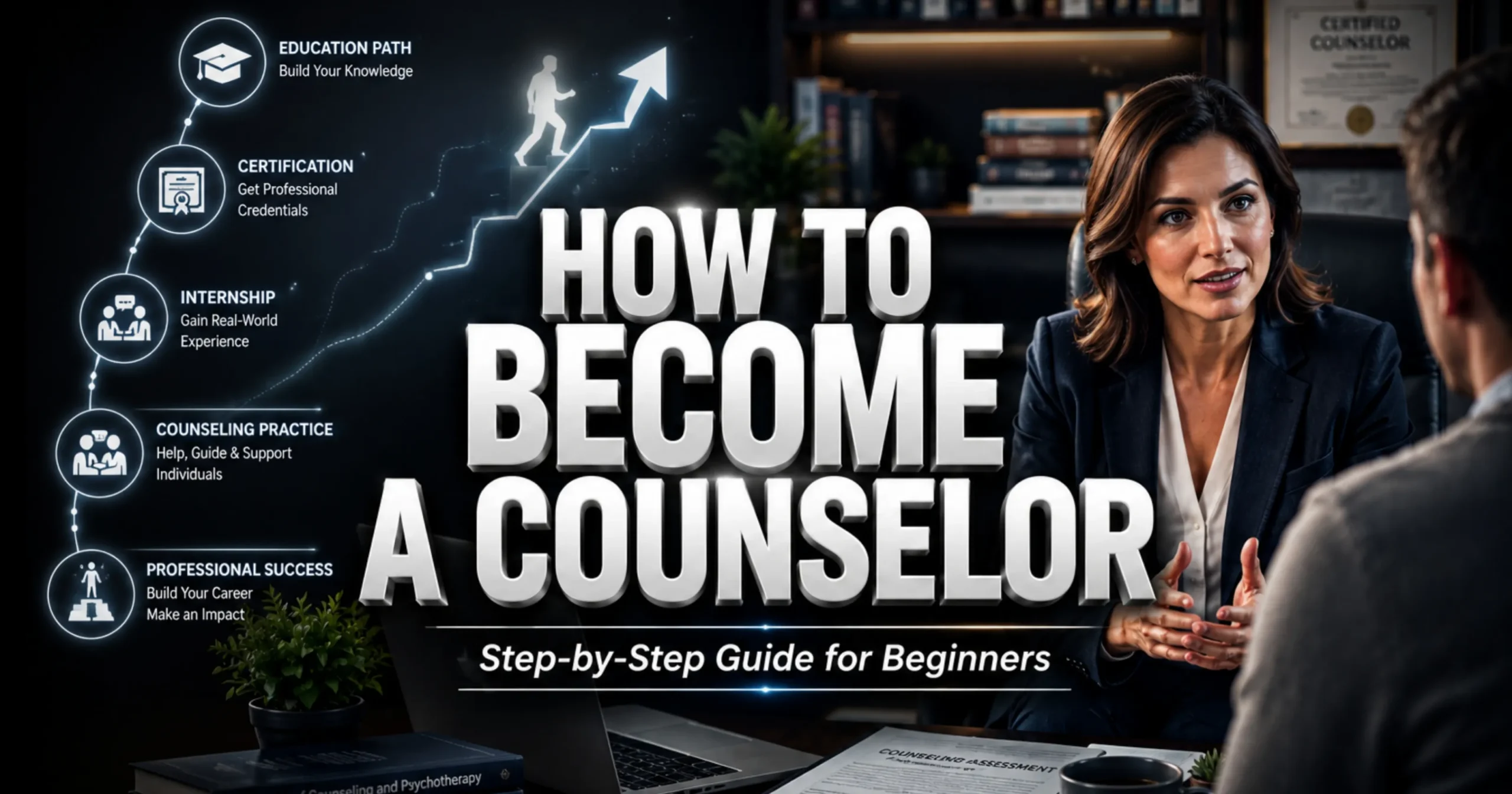
Step-by-Step Guide to Become a Christian Counselor
Becoming a Christian counselor is a structured journey that combines spiritual growth, education, and practical experience. It is not something that happens overnight, but a gradual process of learning, serving, and developing the right mindset.
Step 1 – Build Strong Biblical Understanding
The foundation of Christian counseling begins with a deep understanding of the Bible. A counselor must be familiar with biblical teachings because these principles guide the counseling approach. This includes developing a consistent prayer life and regularly studying scripture to understand wisdom, compassion, and guidance from a faith perspective.
Step 2 – Learn Basic Counseling Skills
Before formal training, it is important to understand basic human behavior and emotional needs. Skills like active listening, empathy, patience, and communication form the core of counseling. These skills help in understanding people without judgment and responding with care and clarity.
Step 3 – Get Relevant Education or Training
Many Christian counselors pursue formal education in theology, ministry, or counseling-related programs. This may include Bible colleges, seminaries, or online certification courses. These programs help build structured knowledge about counseling methods and ethical practices.
Step 4 – Gain Practical Experience
Experience is a crucial part of becoming a counselor. Many start by volunteering in churches, youth groups, or community support programs. Working under experienced mentors helps in understanding real-life counseling situations and developing confidence.
Step 5 – Develop Core Counseling Skills
Beyond education, a Christian counselor must develop emotional intelligence. This includes understanding human emotions, staying calm in difficult situations, and providing balanced guidance that respects both emotional and spiritual needs.
Step 6 – Consider Certification (Optional Path)
Certification is not always mandatory but can increase credibility. Various Christian counseling certification programs are available online and offline. These programs provide structured training and may help in professional or church-based counseling roles.
Can You Become a Christian Counselor Without a Degree?
Yes, it is possible to become a Christian counselor without a formal degree, but it depends on the type of role you want to pursue and where you plan to work.
In many church-based or ministry settings, experience, spiritual maturity, and practical involvement are often valued more than formal academic qualifications. People who actively serve in their church, lead prayer groups, or provide informal guidance often grow naturally into counseling roles over time.
However, without a degree, your scope may be more limited. You may not be eligible for licensed clinical counseling positions, especially in professional healthcare environments. In such cases, certification programs or ministry-based training can help bridge the gap and build credibility.
This path is best suited for individuals who feel called to help others within a faith-based environment rather than pursuing a strictly clinical psychology career.
How Long Does It Take to Become a Christian Counselor?
The time required to become a Christian counselor depends on the path you choose and the level of qualification you want to achieve. There is no fixed duration, but generally it varies from a few months to several years.
If someone chooses a basic church-based or ministry-focused path, they may start practicing informal counseling within 6 months to 1 year through volunteering, mentorship, and active church involvement. This path focuses more on practical exposure than formal education.
On the other hand, if a person chooses formal education such as theology studies or Christian counseling certification programs, it may take around 1 to 3 years to complete structured training. This includes coursework, assignments, and supervised practice.
For those aiming for advanced or professional-level counseling roles, especially in clinical or licensed settings, the process can take even longer due to additional academic and certification requirements.
In short, the timeline depends on your goals, commitment level, and chosen learning path.
How Much Does It Cost to Become a Christian Counselor?
The cost of becoming a Christian counselor is not fixed because it depends on the type of training or education path you choose. Some paths are very affordable, while others may require a higher investment.
If you choose a church-based or ministry-based learning path, the cost can be very low or even free. In such cases, most learning happens through volunteering, mentorship, and active participation in church activities.
For those who go for online Christian counseling courses or certification programs, the cost usually varies depending on the institution. Basic courses may be affordable, while advanced certification programs can be more expensive due to structured training and assessments.
If someone pursues formal education through Bible colleges or seminaries, the overall cost increases, as it may include tuition fees, study materials, and program duration expenses.
In general, becoming a Christian counselor can be flexible in terms of budget, allowing people from different financial backgrounds to enter this field based on their chosen path.
Christian Counseling Courses and Training Options
Christian counseling training can be pursued through different learning paths depending on your goals, availability, and level of commitment. There is no single fixed route, but several structured options are available for aspiring counselors.
Online Christian Counseling Courses
Online courses are one of the most flexible options for beginners. These programs allow you to learn counseling basics, biblical integration, and communication skills from home. They are often self-paced and suitable for those who are already involved in church or ministry work.
Bible Colleges and Seminaries
Bible colleges and seminaries offer more structured and in-depth education. These programs focus on theology, pastoral care, and counseling principles. Students gain a stronger foundation in scripture along with practical ministry training, which helps build long-term credibility.
Church-Based Training and Mentorship
Many Christian counselors start their journey directly in church environments. Under the guidance of experienced pastors or mentors, individuals learn through real-life counseling situations, prayer sessions, and community support activities. This path focuses heavily on practical experience rather than academic study.
Christian Counseling Techniques You Should Learn
Christian counseling is not only about knowledge, but also about how you communicate, listen, and guide someone in a real-life situation. A good counselor develops practical techniques that help people feel understood, supported, and spiritually encouraged.
Active Listening and Emotional Understanding
One of the most important skills in counseling is active listening. It means fully focusing on the person without interrupting or judging. A Christian counselor must also understand emotions behind words, not just the words themselves, so the person feels truly heard and valued.
Prayer-Based Guidance Approach
In Christian counseling, prayer is often used as a supportive tool. It helps bring peace, clarity, and emotional strength to the person seeking help. However, it is used with sensitivity and respect, depending on the comfort level of the individual.
Biblical Wisdom in Counseling
Scripture-based guidance is another key technique. It involves using relevant biblical principles to encourage hope, forgiveness, patience, and healing. The goal is not to preach, but to gently guide through spiritual wisdom.
Empathy and Non-Judgmental Support
A Christian counselor must create a safe space where people can openly share their struggles. Empathy means understanding their pain without criticism and responding with compassion instead of judgment.
Career Opportunities in Christian Counseling
Christian counseling offers multiple career paths depending on your training level, experience, and calling. It is not limited to one specific job role, but spreads across church, ministry, and community-based support systems.
Church Counselor Role
Many Christian counselors begin their work in local churches. In this role, they support individuals and families dealing with personal, emotional, or spiritual challenges. This work is usually closely connected with pastoral care and community support.
Ministry and Faith-Based Organizations
Christian counselors are often needed in ministries, missionary organizations, and non-profit faith groups. These roles involve guiding people through crisis situations, offering prayer-based support, and helping with emotional recovery in a faith-centered environment.
Private Christian Counseling Practice
With proper training and certification, some counselors move into private practice. This allows them to work independently with clients while still maintaining a Christian counseling approach. This path usually requires stronger credentials and experience.
Youth and Family Counseling Support
Another important area is working with youth groups, couples, and families. Counselors help resolve conflicts, improve communication, and strengthen relationships through both emotional and spiritual guidance.
FAQ About How to Become a Christian Counselor
How do you become a Christian counselor?
To become a Christian counselor, build a strong biblical foundation, develop counseling skills, complete relevant training or certification, and gain practical ministry experience.
Can you become a Christian counselor without a degree?
Yes, you can become a Christian counselor without a degree in many churches or ministries, but licensed counseling positions usually require formal education and state licensing.
Do you need certification to become a Christian counselor?
Certification is optional for many ministry roles but can improve your credibility, counseling skills, and opportunities to serve in churches or faith-based organizations.
How long does it take to become a Christian counselor?
Becoming a Christian counselor can take from several months to three years, depending on your education, certification program, practical training, and career goals.
What qualifications do you need to become a Christian counselor?
Christian counselors typically need biblical knowledge, empathy, communication skills, practical experience, and, for some positions, formal education or certification.
What does a Christian counselor do?
A Christian counselor helps individuals, couples, and families overcome emotional and spiritual challenges by combining biblical guidance with practical counseling techniques.
Is Christian counseling a good career?
Yes, Christian counseling is a meaningful career for those who want to help people grow emotionally and spiritually while serving in churches or ministry settings.
What is the difference between a Christian counselor and a licensed therapist?
A Christian counselor provides faith-based guidance, while a licensed therapist is trained and legally qualified to diagnose and treat mental health conditions.
Conclusion
Becoming a Christian counselor is not just about building a career, but about developing a heart of service, compassion, and spiritual maturity. It is a journey that combines faith, learning, and real-life experience.
Whether you start through church involvement, formal education, or certification programs, every path requires consistency, patience, and a genuine desire to help others. Over time, these qualities shape you into a counselor who can truly support people through emotional and spiritual challenges
In the end, Christian counseling is less about position and more about purpose helping people find healing, direction, and hope.

Hi, I’m Prashanta Kumbhar, a Christian blogger, faith writer, and the founder of Light and Gospel (LightandGospel.com), based in Odisha, India.
I regularly write Bible devotionals, prayers, Scripture reflections, and faith-based messages to encourage people in their daily walk with Jesus Christ and help them grow in hope, faith, and spiritual strength.
Along with blogging, I also create Christian content on my YouTube channel “The God Helps” and share faith, prayer, Bible study, and motivational messages across social media platforms like Facebook & Instagram. My mission is to make God’s Word simple, practical, & meaningful for everyday life.