

The United House of Prayer for All People is a unique and often misunderstood religious movement that has shaped communities across the United States for decades. Many people search for clear answers about its origin, beliefs, and what actually happens inside its churches but reliable, simple explanations are hard to find.
Founded in the early 20th century, this church stands out for its vibrant worship style, strong leadership, and deep cultural roots. Whether you’re curious about its history, teachings, or where it is located, this guide will break everything down in a clear and honest way so you can fully understand it.
What Is the United House of Prayer for All People?
Simple Definition
The United House of Prayer for All People is a Christian-based religious organization founded in the early 1900s in the United States. It is known for combining traditional Christian beliefs with a distinctive style of worship and strong leadership structure.
Unlike many mainstream churches, it operates as a tightly organized movement with a central spiritual authority. Members gather regularly for worship, community activities, and spiritual guidance rooted in biblical teachings.
Why It Is Known
This church has gained attention over the years for several unique reasons:
- Energetic worship style, especially its famous brass band music
- Strong leadership identity, particularly under its founder
- Cultural influence in African American communities
- Distinct traditions that set it apart from typical churches
Because of these factors, many people search to understand whether it is just another church or something different. Its combination of faith, music, and structured leadership makes it stand out in the broader Christian landscape.
History of the United House of Prayer for All People
Founder – Who Started It?
The United House of Prayer for All People was founded by Bishop Charles Manuel “Daddy” Grace, a religious leader who played a central role in shaping the movement’s identity.
Born in Cape Verde, Daddy Grace immigrated to the United States and began preaching in the early 20th century. His powerful personality, confident leadership, and strong spiritual message quickly attracted followers.
He presented himself not just as a preacher, but as a divinely appointed leader. This unique position helped him build a loyal community that viewed him as a key spiritual authority.
Early Growth and Expansion
After its founding, the church experienced rapid growth, especially during the 1920s and 1930s.
Key factors behind its expansion included:
- Migration patterns: Many followers moved to major U.S. cities, spreading the church
- Strong community bonds: Members stayed deeply connected and committed
- Distinct worship style: The energetic services attracted attention and new members
Over time, the church established branches in multiple cities, becoming especially prominent along the East Coast. Its structured leadership and consistent teachings helped maintain unity as it expanded.
Core Beliefs and Teachings
Key Doctrines
The United House of Prayer for All People is rooted in core Christian principles but presents them through its own structured interpretation.
Its main doctrines include:
- Belief in one God and the authority of the Bible
- Emphasis on holiness and righteous living
- Importance of obedience to spiritual leadership
- Focus on salvation, baptism, and moral discipline
These teachings are presented in a direct and disciplined way, encouraging members to follow a strict spiritual path.
Religious Practices
Daily and weekly practices play a major role in the spiritual life of members.
Common practices include:
- Regular church attendance and participation in services
- Baptism rituals as a sign of commitment
- Structured worship gatherings led by church leaders
- Community-focused activities that strengthen unity
These practices are designed to build both personal faith and a strong sense of belonging within the church.
What Makes It Different?
What sets this church apart is not just its beliefs, but how those beliefs are practiced.
Key differences include:
- Centralized leadership authority rather than decentralized church systems
- Highly expressive worship style, especially through music
- Strong cultural identity tied to its history and community
- Clear structure and discipline within the organization
This combination creates a distinct religious experience that feels different from traditional Christian denominations.
Worship Style and Church Experience
Music and Worship Atmosphere
One of the most distinctive features of the United House of Prayer for All People is its powerful and energetic worship environment.
Services often include:
- Live brass band music that creates a vibrant atmosphere
- High-energy singing and participation from the congregation
- Emotional expression, where members actively engage in worship
This style is not passive. Instead, it encourages people to fully participate, making the experience feel alive and deeply engaging.
What Happens in a Service?
A typical service follows a structured yet dynamic flow.
It usually includes:
- Opening prayers and songs to set the tone
- Music performances, often led by brass bands
- Preaching or teaching delivered by church leaders
- Community interaction, where members respond and participate
The balance between structure and spontaneity keeps the service organized while still allowing emotional expression.
Community and Culture
Beyond worship, the church builds a strong sense of identity and belonging.
Key aspects include:
- Close-knit community relationships
- Shared traditions and values passed down over time
- Support systems within the congregation
For many members, the church is not just a place of worship it is a central part of their social and spiritual life.
United House of Prayer for All People Locations
Where It Is Found
The United House of Prayer for All People locations are primarily spread across the United States, with a strong presence in urban areas.
You will typically find churches in:
- Major East Coast cities
- Parts of the Southeast United States
- Communities with historical ties to the church
Rather than being global, its influence is more concentrated within specific regions where it has grown over time.
Major Centers
Some cities are especially known for having established congregations.
These areas often serve as key hubs where:
- Larger gatherings and events take place
- Long-time members and leadership are based
- The church has historical roots
These centers help maintain the structure and continuity of the organization across different locations.
Headquarters Overview
The church operates under a centralized system, with a main headquarters that guides its overall direction.
This headquarters is responsible for:
- Leadership decisions
- Maintaining doctrine consistency
- Coordinating activities across locations
This structured approach ensures that, even across different cities, the church maintains a unified identity and practice.
Why Is the United House of Prayer Unique?
Cultural Influence
The United House of Prayer for All People has had a lasting cultural impact, especially within communities where it has been active for decades.
Its influence can be seen in:
- Music traditions, particularly the use of brass bands in worship
- Community gatherings that go beyond regular church services
- Generational continuity, where families remain connected to the church
This cultural presence helps the church remain relevant and recognizable even outside strictly religious settings.
Spiritual Identity
What truly defines the church is its strong and clearly structured spiritual identity.
Key aspects include:
- Centralized leadership, which shapes teachings and direction
- Disciplined faith practices, encouraging commitment and consistency
- Distinct worship expression, blending emotion with structure
For many followers, this clarity provides a sense of purpose, direction, and belonging that is not always found in more loosely organized churches.
Conclusion
The United House of Prayer for All People is more than just a church it is a long-standing religious movement with deep historical roots, a strong leadership structure, and a distinctive worship style that sets it apart from many other Christian groups.
From its founding by Bishop Charles Manuel “Daddy Grace” to its spread across various parts of the United States, the church has maintained a clear identity built on discipline, community, and faith.
Its energetic worship, brass band tradition, and close-knit congregations make it unique in both cultural and spiritual terms. For anyone researching its history, beliefs, or locations, understanding its core structure provides a complete picture of why it continues to attract attention today.
FAQs:
What is the United House of Prayer for All People?
A Christian religious movement known for structured worship and strong leadership.
Who founded it?
It was founded by Bishop Charles Manuel “Daddy” Grace.
What are its beliefs?
It follows Christian teachings with emphasis on holiness, discipline, and obedience.
Where is it located?
It has multiple locations mainly across the United States.
What makes it unique?
Its energetic worship style, brass band music, and centralized leadership.
For more inspiring reads, you can also visit our post —
👉 40 Powerful Prayer Points for Church Growth and Expansion
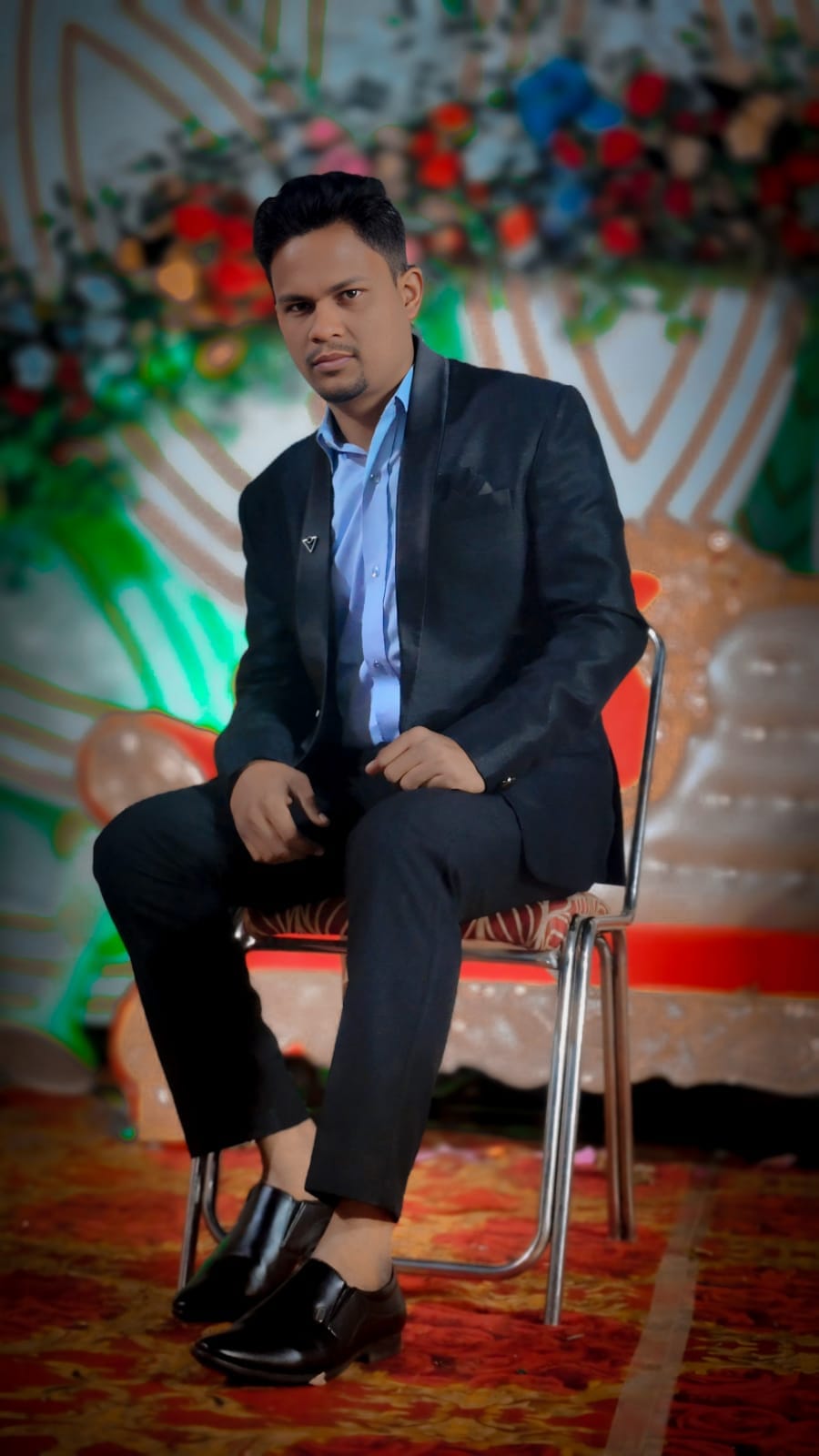
Hi, I’m Prashanta Kumbhar, a Christian blogger, faith writer, and the founder of Light and Gospel (LightandGospel.com), based in Odisha, India.
I regularly write Bible devotionals, prayers, Scripture reflections, and faith-based messages to encourage people in their daily walk with Jesus Christ and help them grow in hope, faith, and spiritual strength.
Along with blogging, I also create Christian content on my YouTube channel “The God Helps” and share faith, prayer, Bible study, and motivational messages across social media platforms like Facebook & Instagram. My mission is to make God’s Word simple, practical, & meaningful for everyday life.