
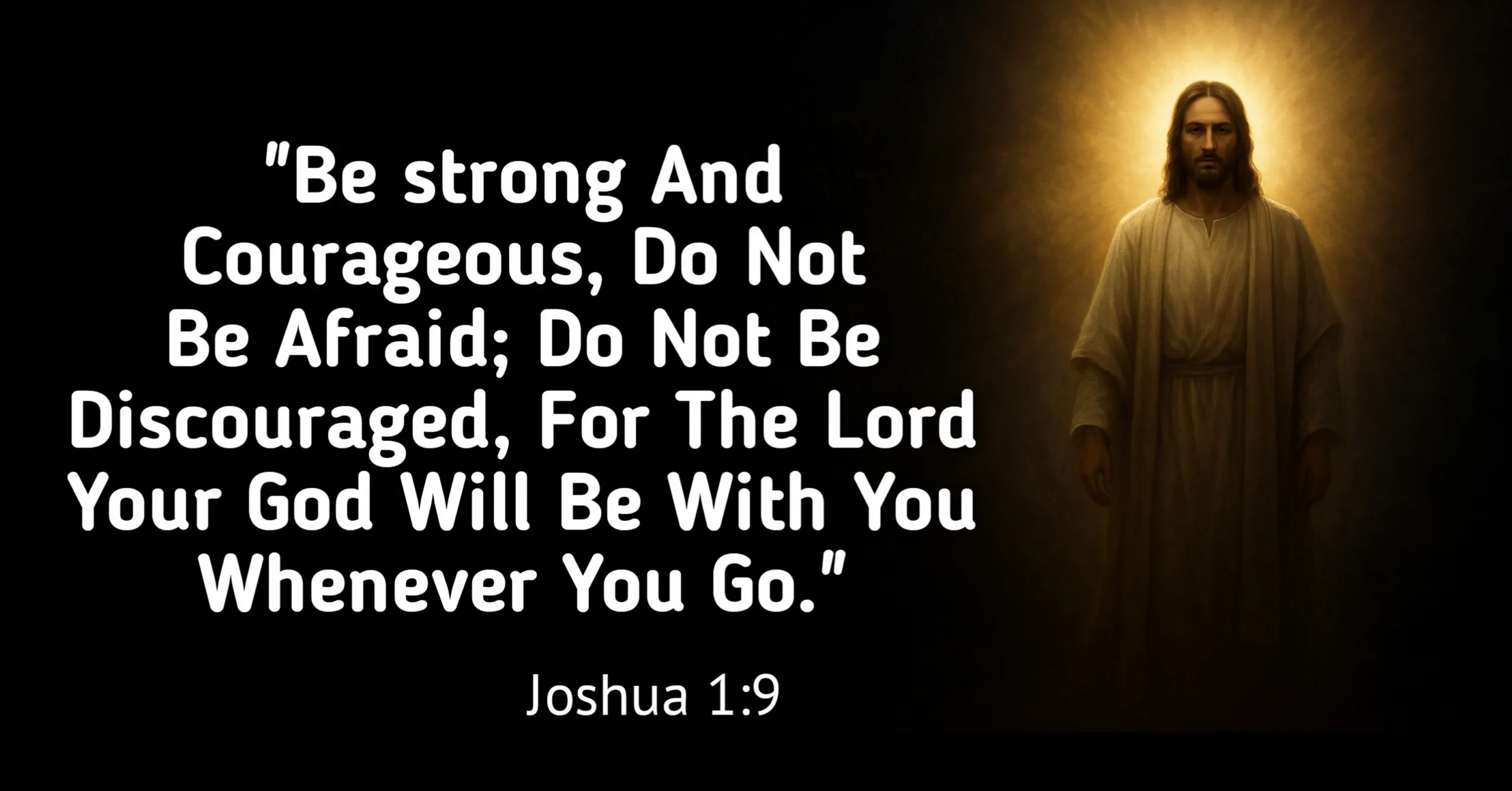
If you’ve been asking, what does the Bible say about fear, you’re not alone. This is a question that God’s people have asked for generations, and the Bible gives a clear, hope-filled answer.
Fear is something every person faces. Sometimes it comes through bad news, uncertain days, financial struggles, health problems, or worries about the future. Even faithful believers experience moments when fear feels stronger than faith.
God never tells us to pretend that fear doesn’t exist. Instead, He invites us to bring our fears to Him and trust His promises. Throughout Scripture, we see ordinary people who struggled with fear, yet God met them with His presence, strength, and peace. The Bible also teaches that there is a difference between sinful fear that pulls us away from God and the fear of the Lord, which is a loving reverence that leads to wisdom.
One of the greatest promises is found in Isaiah 41:10 (KJV):
“Fear thou not; for I am with thee: be not dismayed; for I am thy God: I will strengthen thee; yea, I will help thee; yea, I will uphold thee with the right hand of my righteousness.”
This verse reminds us that the answer to fear is not found in our own strength but in God’s faithful presence. In this guide, we’ll discover what the Bible teaches about fear and anxiety, why God repeatedly says, “Do not fear,” and how His Word gives lasting peace in every season of life.
What Does the Bible Say About Fear?
The Bible teaches that fear is a natural emotion, but believers are called to trust God rather than be controlled by fear. Scripture distinguishes between unhealthy fear, which leads to anxiety, and the fear of the Lord, which brings wisdom, reverence, and a deeper relationship with God.
Two Types of Fear in Scripture
To understand what does the Bible say about fear, we first need to see that the Bible speaks about two different kinds of fear. Although the same word is used, they have completely different meanings and lead to very different outcomes.
The first is unhealthy fear. This fear grows from worry, doubt, and uncertainty. It causes us to focus more on our problems than on God’s promises. Throughout the Bible, whenever God’s people faced battles, hardships, or uncertain futures, His message was often the same: “Do not fear.” God wasn’t saying their problems were small. He was reminding them that His presence was greater than anything they faced.
Examples of Fear in the Bible
A beautiful example is found in Psalm 56:3 (KJV):
“What time I am afraid, I will trust in thee.”
David did not pretend he was fearless. He honestly admitted his fear, but he chose to place his trust in God instead of allowing fear to control his heart. This teaches us that biblical faith is not the absence of fear it is choosing to trust God even when fear is real.
The second kind is the fear of the Lord. This is not being afraid that God wants to punish us. It is a deep reverence, respect, and awe for His holiness, power, and authority. Proverbs 9:10 (KJV) says:
“The fear of the LORD is the beginning of wisdom.”
In its context, Solomon teaches that true wisdom begins when we recognize who God is and willingly submit our lives to Him. Unlike unhealthy fear, the fear of the Lord brings wisdom, obedience, confidence, and a closer relationship with God rather than anxiety.
Understanding this difference changes the way we read the rest of Scripture. The Bible never encourages believers to live in constant fear of life’s circumstances. Instead, it calls us to replace fear with faith and to grow in a reverent relationship with God. When our hearts are anchored in His character instead of our circumstances, fear begins to lose its grip, and we learn to walk with greater peace and confidence.
What Does the Bible Say About Fear and Anxiety?
The Bible teaches that fear and anxiety are real struggles, but they do not have to control a believer’s life. Throughout Scripture, God repeatedly reminds His people to trust Him because His presence, peace, and promises are greater than any fear they face. Understanding these biblical truths helps us respond to anxiety with faith instead of worry.
Why God Repeatedly Says, “Do Not Fear”
When people search what does the Bible say about fear and anxiety, they are usually looking for more than comforting words. They want to know whether God truly understands their fears and what He expects them to do when anxiety feels overwhelming. The Bible answers this question with a consistent message: God’s presence is greater than our fears.
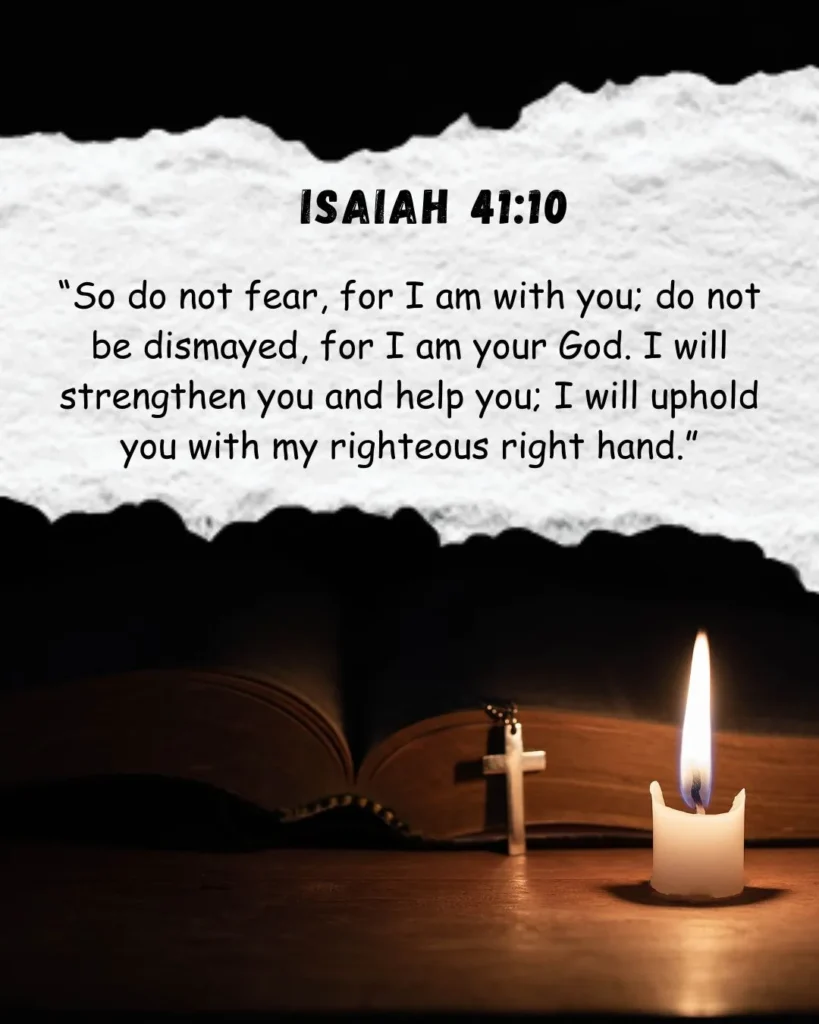
One of the clearest promises is found in Isaiah 41:10 (KJV):
“Fear thou not; for I am with thee: be not dismayed; for I am thy God: I will strengthen thee; yea, I will help thee; yea, I will uphold thee with the right hand of my righteousness.”
God spoke these words to the people of Israel during a season of uncertainty and hardship. Instead of promising an easy life, He promised His presence, strength, and help. The same truth encourages believers today. God doesn’t ask us to face fear alone He walks with us through it.
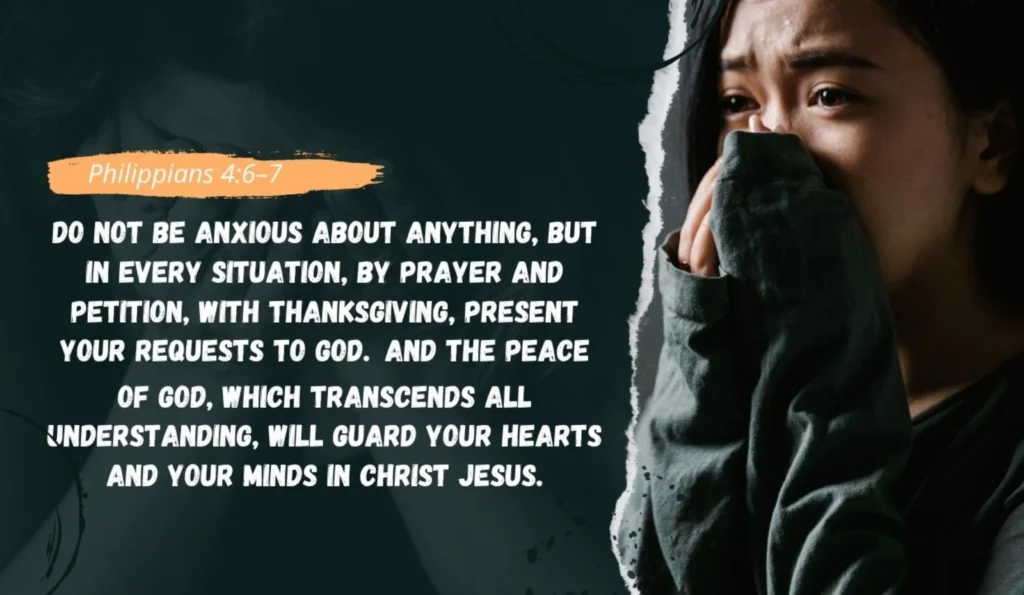
The New Testament gives the same hope. In Philippians 4:6–7, the Apostle Paul writes that believers should bring every anxiety to God through prayer and thanksgiving. Paul wrote these words while facing imprisonment, showing that God’s peace does not depend on comfortable circumstances. When we place our worries in God’s hands, He guards our hearts and minds with a peace that cannot be explained by human understanding.
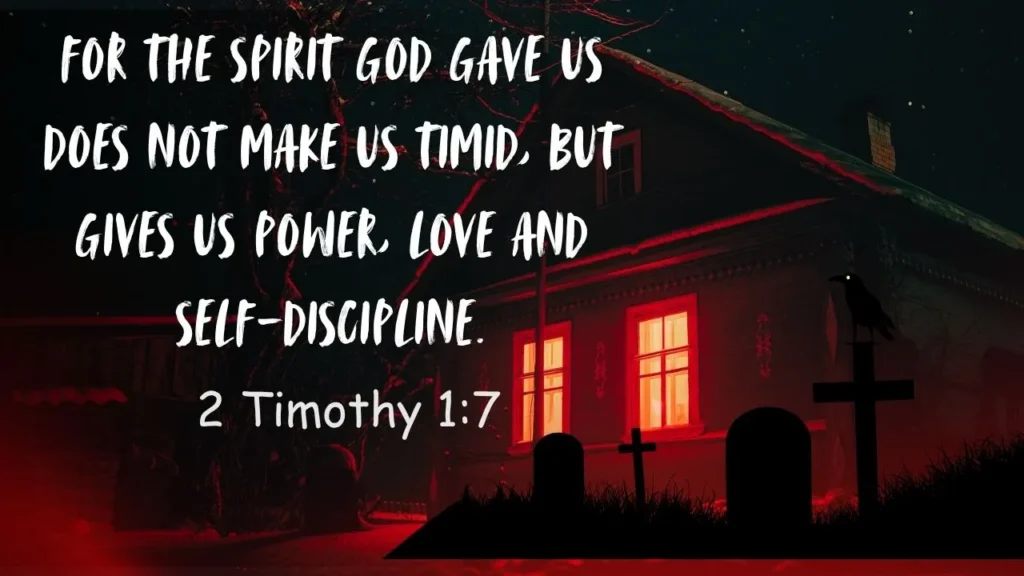
Another powerful promise is found in 2 Timothy 1:7 (KJV):
“For God hath not given us the spirit of fear; but of power, and of love, and of a sound mind.”
Paul wrote this to encourage Timothy, a young pastor facing opposition and hardship. Rather than allowing fear to control him, Timothy was reminded to depend on the Holy Spirit, who gives believers courage, love, and wisdom to remain faithful.
So, what does God say about fear in the Bible? He never says that Christians will live without trials. Instead, He repeatedly reminds us that His presence is constant, His promises are trustworthy, and His grace is sufficient for every situation. Fear may be a natural human emotion, but it does not have to become the voice that directs our lives.
When fear begins to rise, the Bible points us back to simple but life-changing truths: pray before you panic, remember God’s promises before believing your worries, and trust the One who has never failed His people. As our confidence in Christ grows, fear gradually gives way to faith, hope, and lasting peace.
Fear vs. Faith- What Does the Bible Teach?
The Bible teaches that fear and faith lead us in different directions. Fear focuses on circumstances and uncertainty, while faith trusts God’s character and promises. Although believers may experience fear, Scripture calls them to choose faith and keep their eyes on Christ in every situation.
Choosing Faith Over Fear
The Bible shows that fear and faith cannot lead our hearts at the same time. Fear focuses on what might happen, while faith focuses on who God is. It doesn’t mean Christians never feel afraid. It means they choose to trust God’s promises even when life feels uncertain.
One of the best examples is Peter walking on the water. In Matthew 14:29–31 (KJV), Peter stepped out of the boat because Jesus called him. As long as Peter kept his eyes on Jesus, he walked on the water. But when he looked at the strong wind and the waves, fear filled his heart, and he began to sink.
“And immediately Jesus stretched forth his hand, and caught him…” Matthew 14:31 (KJV)
This moment is deeply encouraging because Jesus did not leave Peter to drown. He reached out and lifted him up. That is the heart of the Gospel. When fear causes us to stumble, Christ does not abandon us. He calls us back to trust Him.
Many believers experience the same struggle today. We begin with confidence in God, but unexpected problems, difficult news, or unanswered prayers can slowly shift our attention from Christ to our circumstances. The problem is not that trials exist. The problem begins when fear becomes louder than God’s promises.
The Bible teaches that faith grows as we continue to know God through His Word. Romans 10:17 (KJV) says:
“So then faith cometh by hearing, and hearing by the word of God.”
Every time we read Scripture, remember God’s faithfulness, and pray with confidence, our trust becomes stronger. That is why overcoming fear is not about trying to become mentally stronger. It is about becoming spiritually rooted in God’s truth.
When fear tells you that God has forgotten you, faith reminds you that He is still faithful. When fear focuses on today’s problems, faith looks to God’s unchanging promises. As we keep our eyes on Christ instead of our circumstances, fear slowly loses its power, and peace begins to take its place.
How Can Christians Overcome Fear Biblically?
In Bible, overcoming fear begins with trusting God, not relying on our own strength. Through prayer, Scripture, and the Holy Spirit, believers can replace fear with faith and find peace in every season. These biblical steps help Christians grow in confidence and trust God each day.
Practical Steps to Trust God Every Day
If you’ve been wondering what does the Bible say about living in fear, the answer is not simply, “Stop being afraid.” God understands our weaknesses. Throughout Scripture, He patiently teaches His people how to replace fear with faith, one step at a time. Overcoming fear is usually a daily journey of learning to trust God more deeply.
Bring Your Fears to God in Prayer
Fear often grows when we carry every burden by ourselves. God invites us to bring every worry to Him instead of hiding it.
1 Peter 5:7 (KJV) says:
“Casting all your care upon him; for he careth for you.”
Peter wrote these words to believers who were facing suffering and uncertainty. His reminder is simple but powerful: God cares personally about His children. No fear is too small or too heavy to bring before Him in prayer.
Fill Your Mind with God’s Word
Fear feeds on uncertainty, but faith grows through God’s truth. When Jesus was tempted in the wilderness, He answered every challenge with Scripture. His example reminds us that God’s Word strengthens our hearts when fear tries to take control.
That is why spending time in the Bible each day is more than a habit it is a way of renewing our minds and remembering God’s promises.
Remember God’s Faithfulness
Many fears come from wondering what tomorrow will bring. The Bible repeatedly calls believers to remember what God has already done. The same God who guided Joseph through hardship, protected Daniel in the lions’ den, and strengthened Paul in prison is still faithful today. Looking back at God’s faithfulness gives us confidence to trust Him with the future.
Depend on the Holy Spirit
We are not called to fight fear in our own strength. God has given every believer the Holy Spirit to provide courage, wisdom, and peace in difficult seasons. Even when our emotions feel unsettled, His presence reminds us that we never walk alone.
Following these biblical steps does not mean fear disappears overnight. There will still be difficult days and uncertain moments. But as prayer becomes your first response, Scripture becomes your daily foundation, and trust in God grows stronger, fear gradually loses its hold. The Christian life is not about living without fear it is about learning to walk faithfully with God through every fear.
Final Thought
Fear is a real part of life, but it was never meant to rule the life of a believer. When we read the Bible from beginning to end, one truth becomes clear: God does not leave His people alone in their fears. Again and again, He reminds us of His presence, His faithfulness, and His unfailing love.
If you’re still asking what does the Bible say about fear, the answer is found in God’s character. He calls us to replace fearful thoughts with trust, anxious hearts with prayer, and uncertainty with His promises. While we cannot always control our circumstances, we can choose where we place our confidence. Biblical faith is not pretending that problems don’t exist it is believing that God remains faithful in the middle of them.
As you continue walking with Christ, there will be days when fear returns. In those moments, remember that God’s promises never change. Open His Word, pray honestly, and trust that He is working even when you cannot yet see the outcome.
Let these words from Isaiah 41:10 (KJV) remain in your heart:
“Fear thou not; for I am with thee: be not dismayed; for I am thy God: I will strengthen thee; yea, I will help thee; yea, I will uphold thee with the right hand of my righteousness.”
Whatever fear you are facing today, you do not face it alone. The God who strengthened His people throughout Scripture is the same God who walks with you today. As your trust in Him grows, fear slowly loses its hold, and His peace begins to guard your heart, one day at a time.

Hi, I’m Prashanta Kumbhar, a Christian blogger, faith writer, and the founder of Light and Gospel (LightandGospel.com), based in Odisha, India.
I regularly write Bible devotionals, prayers, Scripture reflections, and faith-based messages to encourage people in their daily walk with Jesus Christ and help them grow in hope, faith, and spiritual strength.
Along with blogging, I also create Christian content on my YouTube channel “The God Helps” and share faith, prayer, Bible study, and motivational messages across social media platforms like Facebook & Instagram. My mission is to make God’s Word simple, practical, & meaningful for everyday life.