
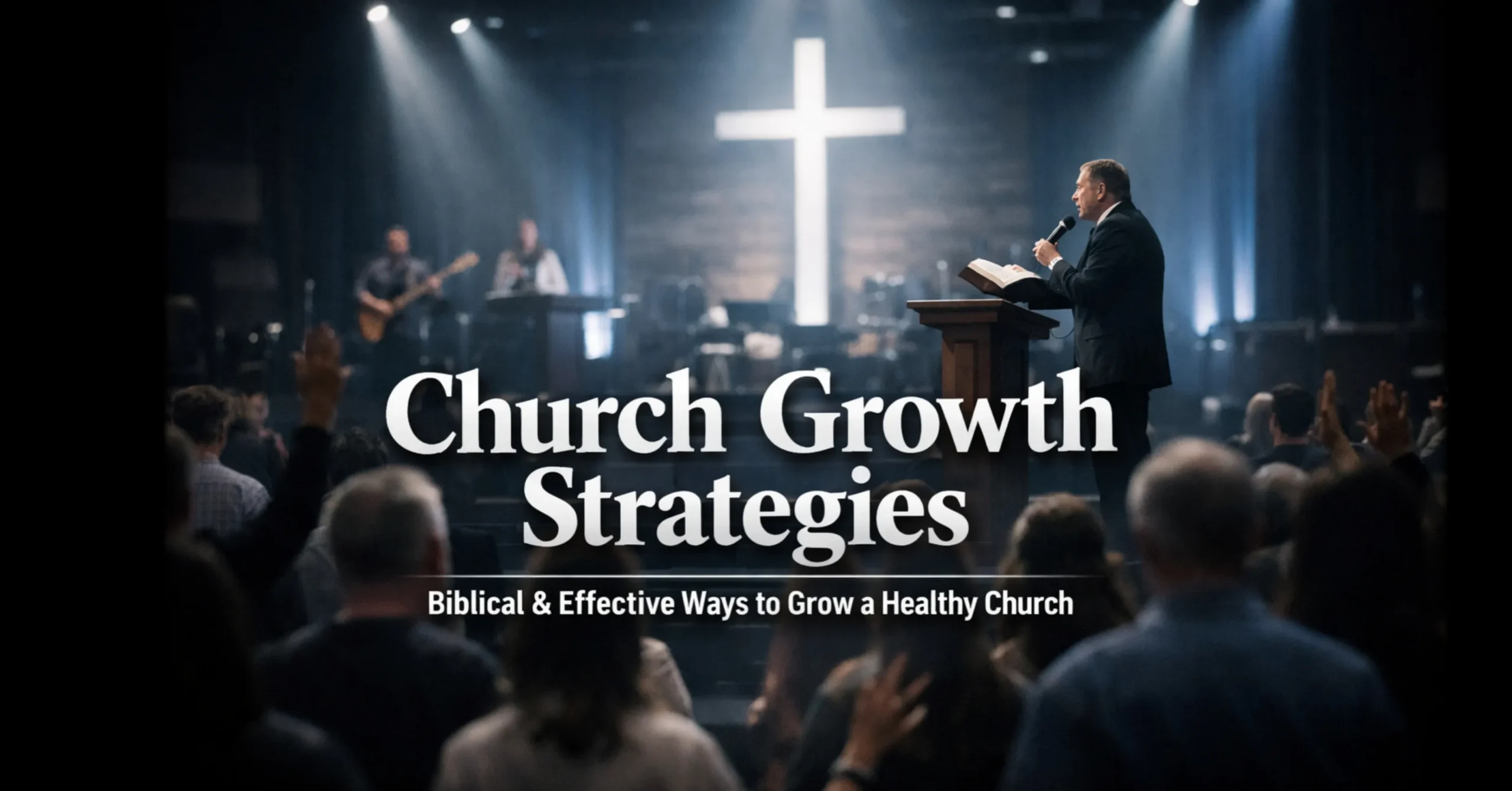
Church growth is not only about increasing attendance; it is about seeing lives transformed by the power of the Gospel and believers growing into spiritual maturity. In today’s rapidly changing world, many pastors and church leaders ask the same question: How can our church grow in a healthy, God-honoring way? The Bible clearly shows that God desires His church to grow note only in numbers, but also in faith, love, and obedience.
This is where church growth strategies become important. When prayer, biblical truth, and wise planning work together, churches can experience sustainable growth that glorifies God. Sadly, many churches struggle because they either rely only on modern techniques or, on the other extreme, avoid planning altogether. Scripture teaches us balance trusting God fully while stewarding wisely what He has entrusted to us.
In this in-depth guide, we will explore biblical and practical insights, sharing effective church growth strategies that pastors and leaders can apply today. Whether you lead a large congregation or a small local church, these principles will help you grow a healthy, Christ-centered church.
What Is Church Growth According to the Bible?
Before discussing strategies, we must understand what church growth truly means from a biblical perspective. The early church did not grow because of marketing techniques or impressive buildings. It grew because God was at work among His people.
Acts 2:47 says, “And the Lord added to their number daily those who were being saved.” This verse reminds us that God is the ultimate source of growth. Yet, the believers were faithful in teaching, fellowship, prayer, and breaking of bread (Acts 2:42). These actions reveal timeless strategies for church growth rooted in obedience and devotion.
Biblical church growth has two dimensions:
- Spiritual Growth – believers becoming more like Christ (Ephesians 4:15).
- Numerical Growth – new people coming to faith and joining the community.
Jesus Himself commanded growth in Matthew 28:19–20 through the Great Commission. Therefore, church growth is not optional; it is a calling. When churches align their vision with God’s Word, growth becomes a natural outcome of faithful ministry.
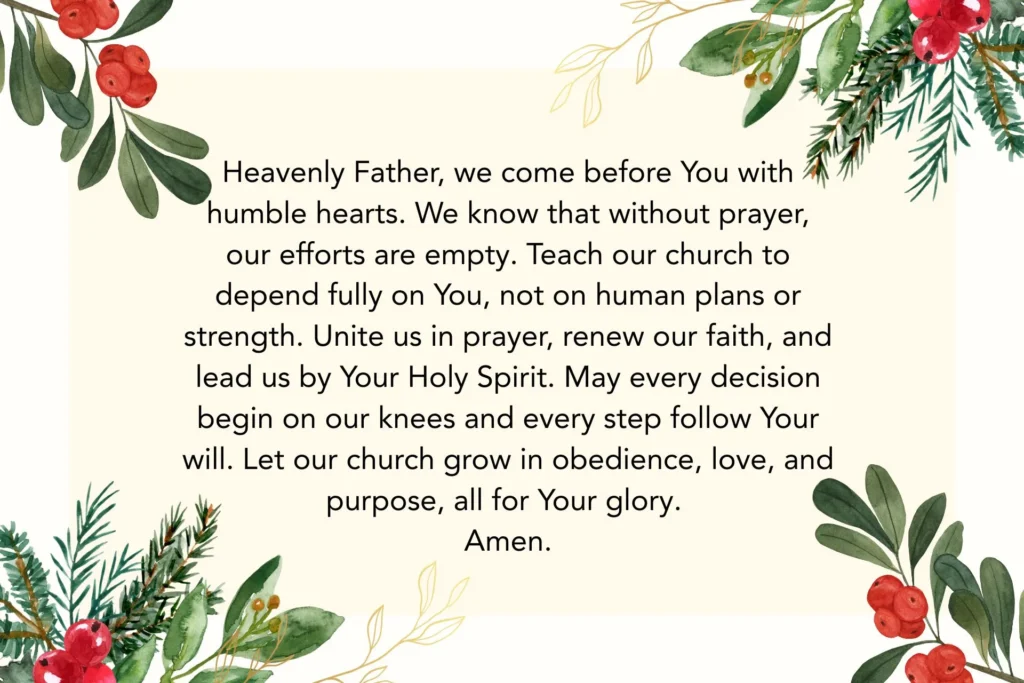
You can also pray through these anointed prayer points for church growth to support your church’s spiritual growth.
Why Many Churches Stop Growing
Many churches begin with passion and vision but later experience stagnation. Understanding common reasons helps leaders correct course and move forward.
One major reason is loss of clear vision. Proverbs 29:18 says, “Where there is no vision, the people perish.” When leaders stop clearly communicating God’s mission, the church slowly loses direction.
Another issue is weak discipleship. Churches may attract people but fail to nurture them spiritually. Without strong discipleship, believers remain immature, and growth becomes shallow and temporary.
A third reason is neglect of prayer. Church programs may increase, but prayer decreases. Scripture repeatedly shows that spiritual growth flows from prayerful dependence on God (Acts 4:31).
Finally, fear of change can stop growth. While the message of the Gospel never changes, methods must adapt to reach new generations. Healthy churches honor tradition without resisting Spirit-led innovation.
Effective Church Growth Strategies That Actually Work Today
Healthy growth happens when biblical foundations meet practical action. Below are proven principles that continue to bless churches across cultures and generations.
Christ-Centered Preaching That Transforms Lives
At the heart of every growing church is faithful preaching of God’s Word. Paul instructed Timothy, “Preach the word; be prepared in season and out of season” (2 Timothy 4:2). Churches grow when sermons are rooted in Scripture, focused on Christ, and applied to daily life.
Christ-centered preaching feeds believers spiritually and attracts seekers who hunger for truth. This is one of the most effective church growth strategies, because the Word of God itself carries transforming power (Hebrews 4:12).
Leaders should aim for clarity, compassion, and conviction. When people understand the Gospel and see how it applies to their lives, faith grows naturally.
Intentional Discipleship and Member Care
Discipleship is the backbone of sustainable church growth. Jesus did not only preach to crowds; He invested deeply in a few. Strong discipleship includes Bible study, mentoring, accountability, and spiritual guidance.
Small groups, classes, and one-on-one mentoring help believers grow in faith and build strong relationships. When people feel spiritually nourished and personally cared for, they remain committed to the church.
Healthy disciples naturally invite others, creating organic growth. Churches that prioritize discipleship experience deeper unity and long-term fruit.
Evangelism Strategies for Church Growth
Evangelism is not optional it is central to the mission of the church. Jesus said, “You will be my witnesses” (Acts 1:8). Without intentional outreach, churches turn inward and stop growing.
Effective evangelism strategies for church growth include personal witnessing, community outreach, and compassionate service. When believers share their faith through both words and actions, the Gospel becomes visible and attractive.
Local outreach programs, mission projects, and community service open doors for meaningful conversations. Digital evangelism through websites, blogs, and social media also plays a growing role in reaching people beyond church walls.
When evangelism flows from love rather than obligation, God uses it powerfully.
Prayer as the Foundation of Church Growth
Prayer is not a ministry of the church; it is the ministry. Every major movement of growth in the Bible began with prayer. In Acts 13:2–3, church leaders prayed and fasted before launching missionary work that transformed nations.
Prayer aligns the church with God’s will and invites the Holy Spirit to lead. Churches that pray together experience unity, spiritual renewal, and boldness in ministry.
No list of church growth strategies is complete without prayer. Planning without prayer leads to human effort; prayer without action leads to passivity. Together, they create powerful, Spirit-led growth.
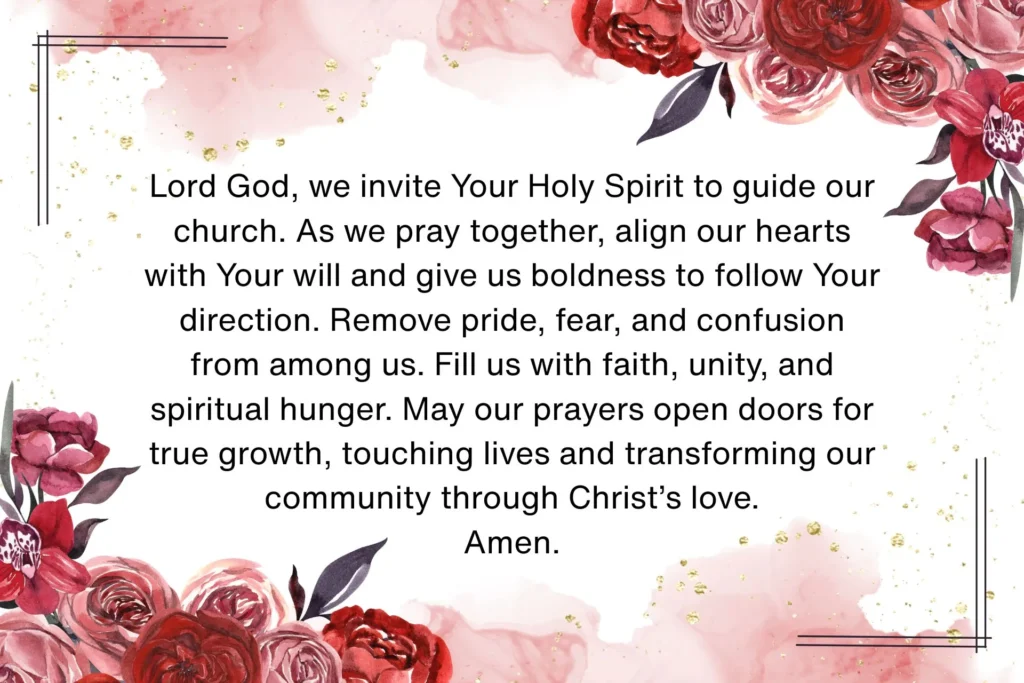
Church Growth Strategies for Small Churches
Small churches often believe growth is impossible due to limited resources. However, God frequently uses small, faithful communities to produce great impact. In fact, church growth strategies small churches can be highly effective when applied wisely.
Small churches excel in personal relationships. Members know each other deeply, creating a welcoming family atmosphere that many people seek. Hospitality, genuine care, and strong community bonds attract newcomers.
Local focus is another advantage. Small churches understand their neighborhoods better and can serve specific needs through food drives, prayer support, or youth programs. These acts of love build trust and open doors for the Gospel.
Leadership development is also crucial. Small churches grow when leaders empower members to serve according to their gifts. Every believer matters, and every role contributes to the mission.
With faith, prayer, and wise planning, small churches can grow spiritually and numerically often faster and healthier than expected.
Leadership and Vision-Based Church Growth Strategy
Strong leadership is essential for church growth. God calls leaders to shepherd His people with humility, integrity, and courage. 1 Peter 5:2–3 urges leaders to serve willingly and eagerly, not for personal gain.
A clear church growth strategy begins with vision. Leaders must seek God’s direction and communicate that vision consistently. When people understand where the church is going, they are more likely to commit their time and energy.
Leadership also involves equipping others. Ephesians 4:12 teaches that leaders exist “to equip the saints for the work of ministry.” Churches grow when leadership multiplies, not when one person does everything.
Vision-driven, servant-hearted leadership creates an environment where growth flourishes.
New and Digital Church Growth Strategies in the Modern Era
The digital age has opened new doors for ministry. While the message of the Gospel remains unchanged, methods can adapt to reach modern audiences. Websites, online sermons, blogs, and social media now play a vital role in church outreach.
Many people search online before visiting a church. A clear, welcoming website and helpful faith-based content can be the first step in their spiritual journey. Blogging and online devotionals extend ministry beyond Sunday services.
These modern tools are not replacements for in-person fellowship, but extensions of it. When used wisely, digital platforms become powerful church growth strategies that connect churches with people who may never walk through the doors otherwise.
Church Growth Strategies That Work Without Compromising Faith
Some leaders fear that growth means compromising biblical truth. However, genuine growth never requires lowering spiritual standards. The most reliable church growth strategies that work are rooted firmly in Scripture.
Jesus attracted crowds through truth, compassion, and authority but He never changed His message to please people. Churches must remain faithful to God’s Word while expressing it with love and clarity.
Balance is key. Programs should support discipleship, not replace it. Outreach should reflect Christ’s love, not worldly trends. When faithfulness guides strategy, growth honors God and blesses people.
A Practical Action Plan for Church Growth
To move from theory to action, churches need a clear plan. Here is a simple framework leaders can adapt:
Weekly Focus
- Consistent prayer meetings
- Bible-centered teaching
- Personal outreach encouragement
Monthly Focus
- Community service or outreach event
- Leadership training or discipleship classes
- Review ministry effectiveness
Yearly Focus
- Vision renewal and planning
- Evangelism campaigns or mission projects
- Spiritual retreats for leaders
This structured approach helps churches apply effective church growth strategies without becoming overwhelmed.
Frequently Asked Questions About Church Growth
What are the most effective church growth strategies today?
The most effective approaches combine prayer, biblical preaching, discipleship, and outreach. When churches rely on God while applying wise planning, they experience lasting fruit. These effective church growth strategies focus on spiritual health first, trusting God for numerical increase.
Can small churches really grow biblically?
Yes, absolutely. Many thriving ministries began as small gatherings. By applying church growth strategies small churches such as strong relationships, local outreach, and empowered leadership small churches can grow in powerful ways.
Why is evangelism important for church growth?
Evangelism is central to God’s mission. Without outreach, churches stop reaching new people. Intentional evangelism strategies for church growth ensure that the Gospel continues to transform lives and communities.
What are the 5 pillars of church growth?
The five pillars of church growth are biblical preaching, prayer, discipleship, evangelism, strong leadership, and loving fellowship within the church.
What are the four types of church growth?
The four types of church growth include internal spiritual growth, biological growth through families, transfer growth, and conversion growth through evangelism.
What are 5 ways to attract people to church?
Churches can attract people through Christ-centered preaching, genuine relationships, community outreach, strong online presence, and consistent prayer.
Conclusion
Church growth is ultimately God’s work, but He invites His people to participate through faithful obedience. When churches commit to prayer, sound teaching, loving relationships, and wise planning, growth becomes a joyful response to God’s grace.
These church growth strategies are not quick fixes; they are biblical principles tested over time. Whether your church is large or small, established or new, God desires to bring growth that reflects His glory.
As you seek His guidance and apply these truths, trust that the Lord will build His church strong, faithful, and alive with purpose.