
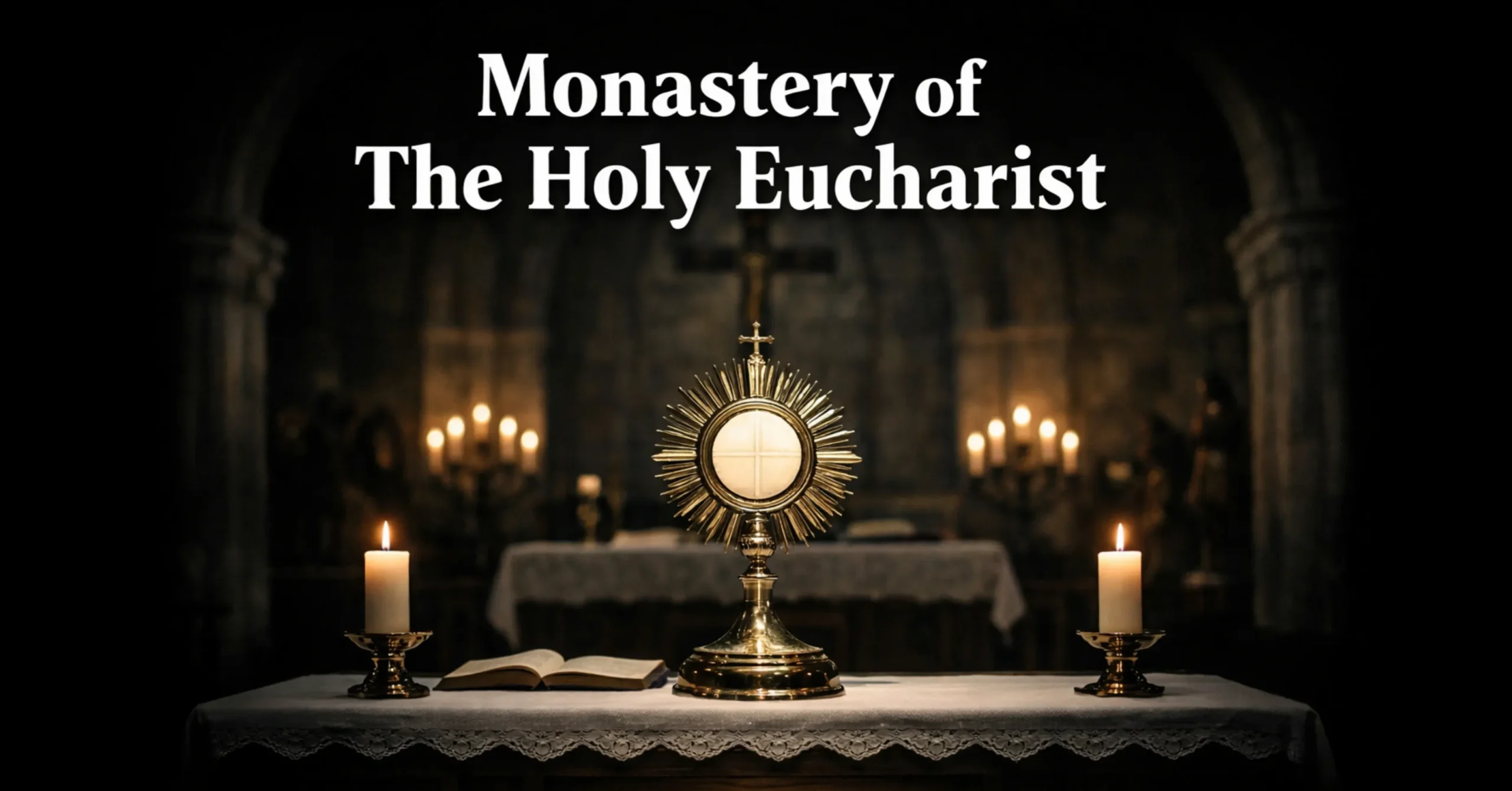
In a world filled with noise, speed, and constant distraction, many believers long for a place of silence, prayer, and deep communion with God. The monastery of the holy eucharist represents this longing. It is not simply a religious building, but a sacred space centered on worship, reverence, and devotion to Jesus Christ present in the Holy Eucharist.
People search for this monastery out of spiritual curiosity, a desire to understand monastic life, or a hunger for deeper faith. Some are drawn by the beauty of silence. Others want to know what makes Eucharistic monasteries unique in Christian life. The monastery is not about public attention or activity, but about faithful presence before God.
This article offers a calm, faith-based explanation of what the monastery of the holy eucharist is, its spiritual purpose, and why the Holy Eucharist stands at the heart of Christian worship. It is written to guide readers gently, without exaggeration, fear, or speculation rooted in Scripture, tradition, and reverence.
What Is the Monastery of the Holy Eucharist?
A monastery is a sacred place where men or women dedicate their lives entirely to God through prayer, silence, and obedience. The monastery of the holy eucharist is distinct because its spiritual center is the continuous or deeply emphasized adoration of Jesus Christ in the Holy Eucharist.
Unlike a parish church, which serves the regular sacramental needs of a community, a monastery exists primarily for contemplation. Life within the monastery follows a rhythm of prayer, Scripture reading, work, and silence. The monastery of the holy eucharist places special focus on remaining spiritually present before Christ in the Eucharist.
The monastery is not meant to withdraw from the world in isolation, but to intercede for it. Through prayer and devotion, monastic communities support the wider Church. The monastery of the holy eucharist reflects a life chosen not for visibility, but for faithfulness where worship is constant and attention is turned fully toward God.
The Meaning of the Holy Eucharist in Christian Faith
The Holy Eucharist stands at the heart of Christian belief and worship. Instituted by Jesus at the Last Supper, the Eucharist is understood as the true presence of Christ His Body and Blood given for the life of the world.
For Christians, the Eucharist is not a symbol alone, but a sacred mystery. It is a gift of communion, uniting believers with Christ and with one another. In Eucharistic adoration, believers sit or kneel in silence before Christ, offering prayer, thanksgiving, and love.
This is why Eucharistic monasteries exist. The Holy Eucharist is not treated as a moment, but as a living presence deserving continual reverence. Within the monastery, daily life flows around this central truth: Christ is present, and He is worthy of attention, love, and surrender.
The monastery of the holy eucharist exists to guard this truth with devotion and humility.
About the Monastery of the Holy Eucharist Simala
Many people search for information about the monastery of the holy eucharist simala, often associating it with a well-known place of prayer and devotion. The reference to Simala commonly arises because of its connection with deep Catholic devotion and reverence.
When people mention the monastery of the holy eucharist simala church, they are often referring to a place used for prayer, worship, and spiritual gathering. While monasteries and churches serve different purposes, they can share sacred functions such as Mass, adoration, and prayer services.
It is important to understand that a monastery remains primarily a place of monastic life, even when visitors are welcomed for worship. The spiritual atmosphere of silence, discipline, and reverence remains central. Any association with Simala should be understood respectfully, without assumptions or exaggeration.
Is the Monastery of the Holy Eucharist a Church?
This is a common and understandable question. Is the monastery of the holy eucharist simala church actually a church?
A church is generally a place where a parish community gathers regularly for sacraments and pastoral care. A monastery, by contrast, is the home of a religious community whose primary mission is prayer and contemplation.
That said, monasteries often include a chapel or church space where Mass is celebrated and where the faithful may sometimes join in worship. When people refer to the monastery of the holy eucharist as a church, they are usually recognizing this sacred worship space.
The distinction is not a division, but a difference in purpose. Both serve the Body of Christ in unique and complementary ways.
Life Inside a Eucharistic Monastery
Life inside a Eucharistic monastery is marked by simplicity and order. The day typically begins early, structured around times of communal prayer, Scripture reading, and quiet work. Silence is not emptiness; it is space for God.
Monks or nuns take vows that shape their lives poverty, chastity, and obedience. These vows free them from distractions so they can focus entirely on God. In a Eucharistic monastery, extended time is devoted to adoration of the Holy Eucharist.
This life may seem hidden, but it is deeply meaningful. The prayers offered within the monastery are believed to support the Church and the world. The monastery of the holy eucharist becomes a spiritual lighthouse, quietly shining through faithful devotion.
Can Visitors Visit the Monastery of the Holy Eucharist?
Many people wonder if they can visit such a sacred place. In many cases, monasteries do allow visitors, but always as guests, not tourists.
Visitors are encouraged to approach with respect, silence, and modesty. The goal of a visit is not entertainment, but spiritual reflection. Those who enter are invited to slow down, pray, and experience peace.
Visiting the monastery of the holy eucharist can be an opportunity to reconnect with God, especially for those seeking stillness in a busy world. The experience is shaped by reverence, not activity.
Why the Holy Eucharist Is Central to Christian Worship
Christian worship finds its deepest expression in the Holy Eucharist. Through it, believers receive Christ and are strengthened to live out their faith.
The Eucharist nourishes the soul, calling believers to love, service, and holiness. This is why monasteries dedicated to the Eucharist protect silence and prayer so carefully. These elements allow the heart to remain attentive to God.
The monastery of the holy eucharist exists as a witness to this truth: that Christ remains with His people, inviting them into communion and rest.
Prayer Inspired by the Holy Eucharist
Lord Jesus Christ,
I come before You with a quiet heart, longing for Your presence. In the stillness of prayer, teach me to recognize You more deeply in the Holy Eucharist. Draw my soul closer to You, just as those who dedicate their lives within the monastery of the holy eucharist remain near You in faith and devotion. Help me to carry that same reverence into my daily life.
When distractions surround me, give me the grace to return to silence. When my heart feels restless, lead me back to trust. May Your presence nourish my spirit, strengthen my faith, and guide my steps. I offer You my thoughts, my time, and my love. Remain with me, Lord, and help me remain with You always.
Amen.
FAQs – Monastery of the Holy Eucharist
What is the monastery of the holy eucharist?
It is a monastic community centered on prayer and devotion to Jesus Christ present in the Holy Eucharist.
Is the monastery of the holy eucharist simala a church?
It includes a sacred worship space, but its primary purpose is monastic life and prayer.
Can visitors attend Mass at the monastery?
In many cases, visitors may attend worship services respectfully, following monastery guidelines.
What makes a Eucharistic monastery different?
Its spiritual focus is extended adoration and reverence toward the Holy Eucharist.
Why is silence important in a monastery?
Silence creates space for prayer, listening, and deeper communion with God.
Conclusion
The monastery of the holy eucharist stands as a quiet witness to the enduring presence of Christ in the Church. In a culture that values speed and noise, it offers a different path one of stillness, reverence, and faithful prayer.
Whether you are learning about monastic life, seeking spiritual clarity, or longing for deeper worship, this sacred tradition reminds believers that God is found not only in activity, but in attentive silence. The Holy Eucharist remains the heart of Christian faith, calling each believer to draw near with humility and love.
May this understanding encourage reflection, reverence, and a renewed desire to remain close to Christ in every season of life.
In moments of silence and surrender, prayers like the Serenity Prayer gently teach us how to trust God’s will and rest in His peace.