
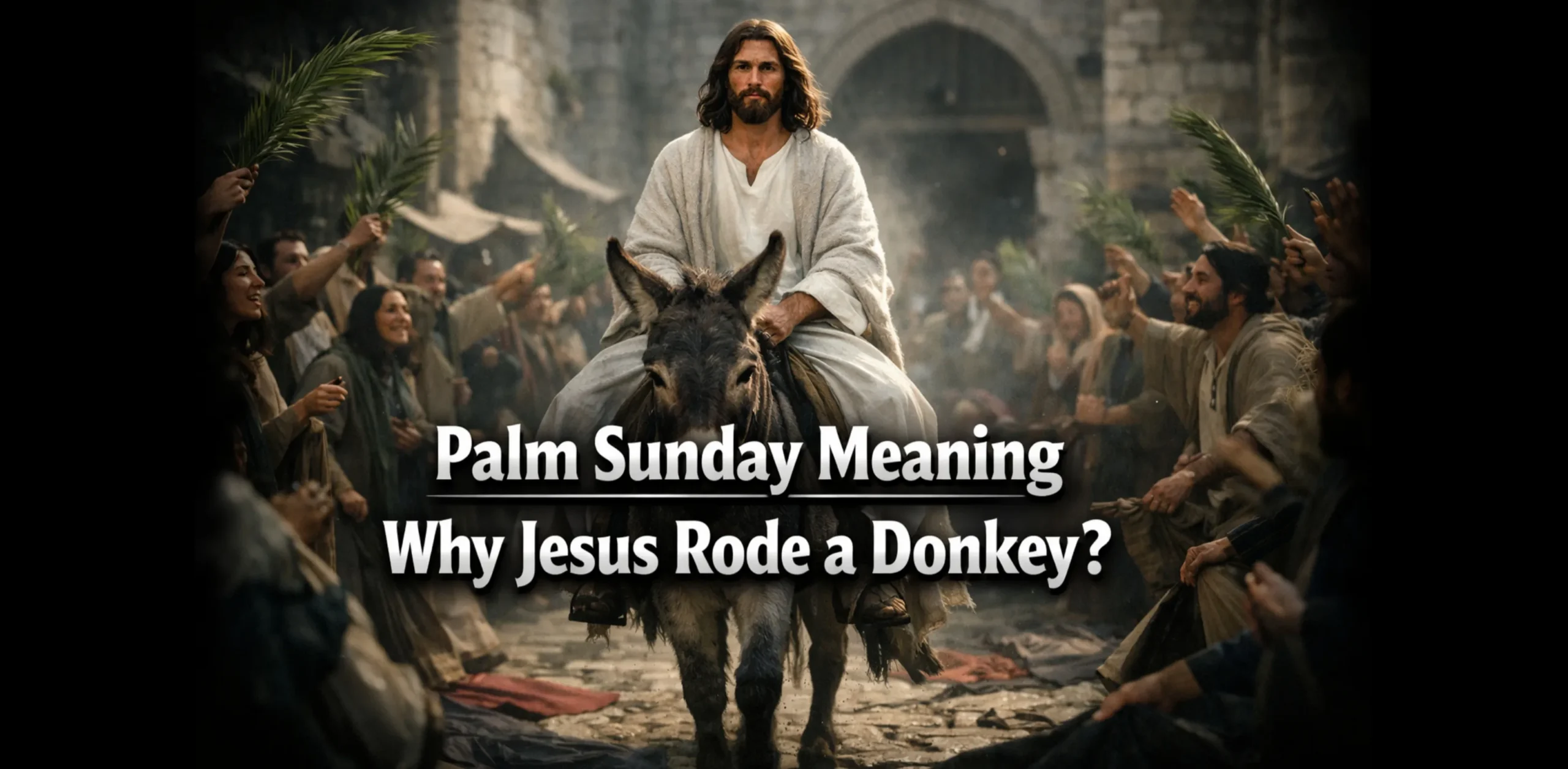
Palm Sunday is one of the most significant days in the Christian calendar, marking the beginning of Holy Week. Many believers observe this day with palms in hand, yet the deeper meaning behind the celebration often goes unnoticed. Palm Sunday Meaning is not just about waving branches; it reflects Jesus’ triumphal entry into Jerusalem, fulfilling ancient prophecies and symbolizing humility, peace, and spiritual victory.
Understanding why Jesus rode a donkey, rather than a majestic horse, sheds light on His mission and the heart of His teachings. In this article, we will explore the biblical context, key scripture references, and the spiritual lessons that make Palm Sunday a profound and inspiring observance for Christians today.
Understanding Palm Sunday Meaning
Palm Sunday marks the start of Holy Week, commemorating Jesus’ triumphant entry into Jerusalem. It is a day celebrated with joy, reflection, and symbolic rituals that connect believers to scripture and prophecy. Beyond the waving of palm branches, this day embodies spiritual significance that resonates across generations, reminding Christians of humility, peace, and the fulfillment of God’s promises.
Historical Context
Jesus entered Jerusalem during the Passover festival, a time when pilgrims filled the city to honor God. Crowds greeted Him by laying palm branches and cloaks on the road, a sign of respect and recognition of a king’s arrival. This historical moment was not just ceremonial; it was a deliberate fulfillment of Old Testament prophecy, highlighting Jesus as the Messiah and setting the stage for the events of Holy Week.
Importance for Christians Today
Today, Palm Sunday serves as a spiritual reminder of Jesus’ teachings and His humble approach to leadership. Churches worldwide commemorate the day through processions, blessings of palms, and scripture readings. For believers, it is an opportunity to reflect on faith, humility, and the significance of Christ’s journey to the cross, reinforcing the core lessons of compassion, obedience, and spiritual vigilance.
Why Jesus Rode a Donkey
Jesus’ choice to ride a donkey into Jerusalem was a profound act rich in symbolism. Unlike a horse, often associated with war and conquest, the donkey represented humility, peace, and servant leadership. This deliberate act fulfilled the prophecy of Zechariah 9:9, showing that the Messiah would come not as a conquering king but as a humble servant bringing salvation and hope.
Understanding this moment reveals the depth of Jesus’ mission and how it contrasts with worldly expectations of power and grandeur.
Fulfillment of Prophecy
Zechariah 9:9 foretold a king entering Jerusalem “gentle and riding on a donkey.” By riding a donkey, Jesus fulfilled this ancient prophecy, linking His actions to God’s plan and affirming His messianic identity. This connection between prophecy and practice strengthens the credibility of scripture and highlights the deliberate nature of His ministry.
Symbolism of Humility and Peace
The donkey symbolizes meekness, accessibility, and the rejection of ostentatious power. By choosing a humble animal, Jesus demonstrated a leadership model grounded in service rather than domination. This act teaches believers that spiritual authority is measured by humility, obedience, and compassion rather than worldly status or force.
Biblical References for Palm Sunday
Palm Sunday is deeply rooted in scripture, and examining key biblical passages helps believers understand the significance of this day. These verses provide context for Jesus’ triumphal entry and the symbolism of palms, reinforcing the spiritual and prophetic importance of the event.
Key Gospel Passages
The Gospels of Matthew (21:1–11), Mark (11:1–10), and John (12:12–19) describe Jesus entering Jerusalem amidst crowds laying palms and shouting praises. Each account emphasizes both the joy of the people and the fulfillment of prophecy, offering a layered understanding of Jesus’ role as Messiah. These passages serve as primary sources for churches to structure Palm Sunday observances and highlight the continuity of God’s plan.
Spiritual Lessons from the Scriptures
Beyond historical narration, these verses provide lessons in faith, humility, and divine purpose. Observing Palm Sunday reminds believers that God’s plan often unfolds in unexpected ways, teaching patience, trust, and the importance of recognizing Christ’s example of servant leadership. Applying these lessons in daily life strengthens personal faith and deepens spiritual understanding.
Symbolism of Palms and Traditions
Palm branches are not just decorative; they carry deep spiritual symbolism. They represent victory, peace, and triumph, reflecting the honor given to Jesus during His entry into Jerusalem. Understanding these symbols helps believers connect physically and spiritually to the story, making the observance of Palm Sunday meaningful beyond tradition.
Meaning of Palm Branches
In biblical times, palm branches were a sign of celebration and victory. By laying palms before Jesus, the crowd acknowledged Him as the Messiah and celebrated God’s plan in action. Today, the palms serve as a reminder of Christ’s triumph, encouraging believers to embrace peace, humility, and faith in God’s promises.
How Churches Celebrate Today
Churches around the world commemorate Palm Sunday with processions, blessings of palms, and scripture readings. Some communities reenact the triumphal entry, while others hold special services that focus on reflection and worship. These practices maintain the connection between historical events and contemporary faith, allowing believers to participate actively in the story of salvation.
Reflection and Spiritual Takeaways
Palm Sunday is not only a historical event but also a moment for personal spiritual reflection. Believers are invited to meditate on humility, peace, and obedience, drawing lessons that guide daily life. Reflecting on Jesus’ entry encourages Christians to align their actions with faith, emulate His servant leadership, and live with purpose and integrity.
Personal Reflection
Take time to consider the significance of Jesus’ humility and the symbolic gestures of the crowd. Meditating on these elements can deepen one’s understanding of God’s plan and inspire a closer connection to faith. Reflection also strengthens spiritual resilience, reminding believers that true leadership and victory come through service and obedience.
Applying Palm Sunday Lessons
Believers can apply the teachings of Palm Sunday by practicing humility, showing compassion, and leading through service in everyday life. Observing the day with intention through prayer, community engagement, or personal reflection reinforces spiritual growth and helps integrate the principles of peace and humility into practical, real-world actions.
FAQ:
What is Palm Sunday and why is it celebrated?
Palm Sunday is the day Jesus entered Jerusalem, marking the start of Holy Week and celebrated with palms.
Why did Jesus ride a donkey into Jerusalem?
Jesus rode a donkey to show humility and peace, fulfilling prophecy and His mission as Messiah.
What do the palm branches represent on Palm Sunday?
Palm branches symbolize victory, peace, and honor for Jesus as the Messiah.
Which Bible verses describe Palm Sunday?
Key verses are Matthew 21:1–11, Mark 11:1–10, and John 12:12–19, showing prophecy fulfillment.
Conclusion
Palm Sunday Meaning reminds us of Jesus’ humility, His triumphal entry on a donkey, and the spiritual significance of palms. By reflecting on Palm Sunday Bible verses and understanding why Jesus rode a donkey, believers can deepen their faith, embrace peace, and apply the lessons of service and humility in daily life. Observing Palm Sunday connects scripture, prophecy, and tradition, reinforcing the true meaning of this holy day.