
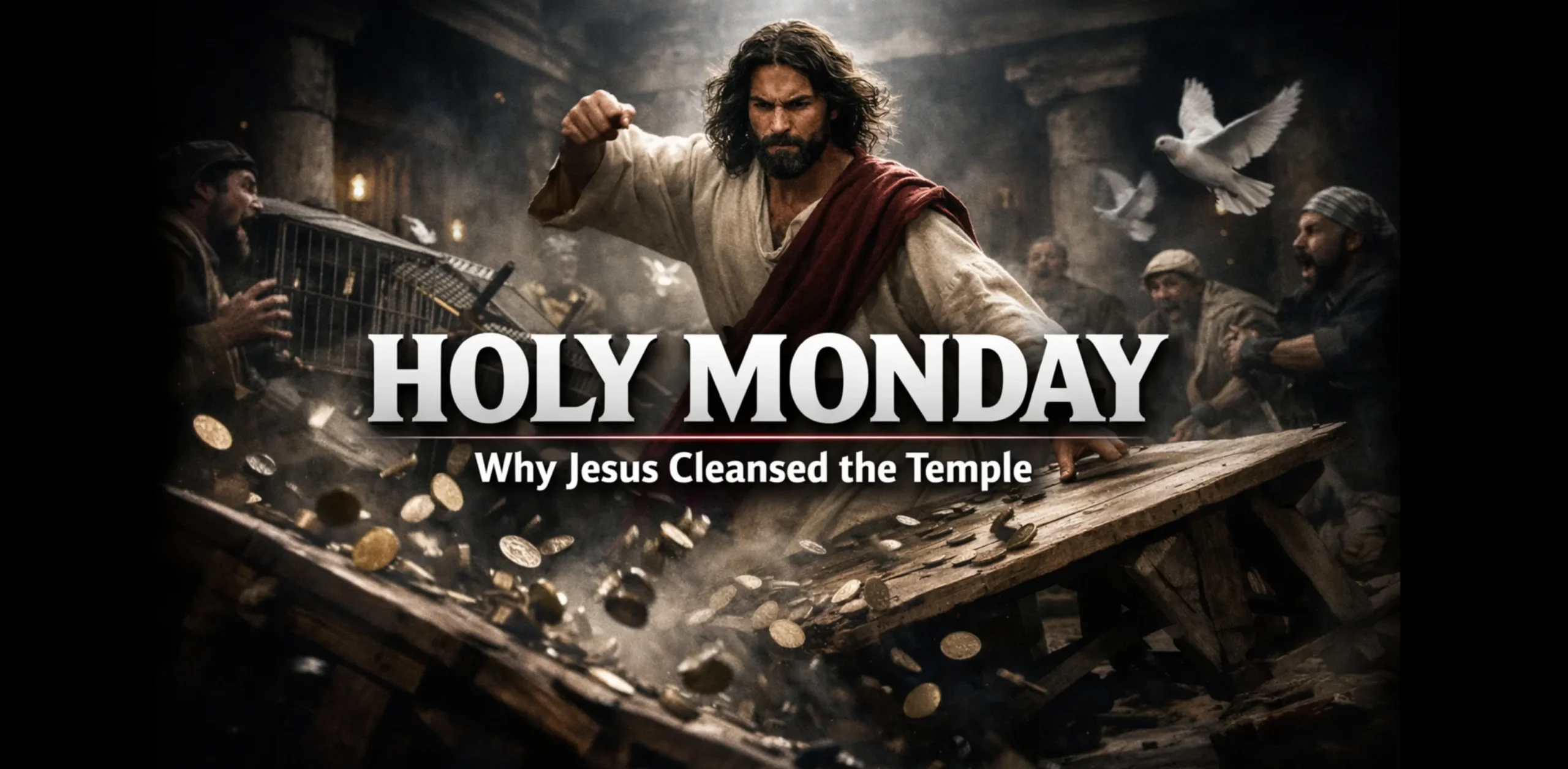
Holy Monday marks the second day of Holy Week, a pivotal period in the Christian calendar leading up to Easter. But what does holy monday meaning mean, and why does it matter for believers today? This day is most remembered for Jesus cleansing the temple, an event that not only showcased His authority but also carried deep spiritual lessons about worship, purity, and devotion.
Understanding holy monday meaning helps Christians connect more meaningfully with the events of Holy Week and reflect on the moral and spiritual principles Jesus taught. In this article, we will explore the biblical story, the symbolism behind the
Understanding Holy Monday Meaning
Origin and Historical Context
Holy Monday is the second day of Holy Week, coming right after Palm Sunday. Biblically, it situates within the week leading to Jesus’ crucifixion, highlighting events in Jerusalem that set the stage for His final days. Early church traditions mark this day as a moment to reflect on Jesus’ actions and teachings. By understanding the origin, believers gain insight into why Holy Monday holds spiritual significance and how it connects to the broader narrative of Holy Week.
Spiritual Significance for Believers
Holy Monday is not just a historical day it carries lessons for modern believers. The day emphasizes purity, devotion, and reflection, reminding Christians to examine their own faith practices. Observing Holy Monday encourages personal introspection and prepares hearts for the deeper meaning of Good Friday and Easter Sunday.
Key Events of Holy Monday Meaning
The Bible records several pivotal events on Holy Monday. Most notably, Jesus’ cleansing of the temple illustrates His authority and zeal for true worship. This act is a call to maintain reverence in places of worship and in personal spiritual life, showing that Holy Monday is both a historical and a moral guidepost for believers today.
Jesus Cleansed the Temple
Biblical Account
On Holy Monday, the Gospels (Matthew 21:12–17, Mark 11:15–18, Luke 19:45–48) describe Jesus entering the Temple of Jerusalem and driving out the money changers and merchants. He overturned tables and reminded the people that the temple should be “a house of prayer,” not a marketplace. This dramatic act demonstrated His authority and zeal for the sanctity of worship, leaving a lasting impression on His followers and challenging religious leaders of the time.
Symbolism of the Temple Cleansing
The temple cleansing goes beyond a historical event it is rich with symbolism. Jesus’ actions represent the need for spiritual purity, integrity in worship, and removing anything that corrupts faith. For believers today, it emphasizes maintaining sincerity in personal devotion and guarding one’s spiritual life from distractions or materialism.
Why This Event Matters on Holy Monday
Positioning the temple cleansing on Holy Monday links the action to the beginning of Jesus’ final week before the crucifixion. It sets the tone for Holy Week, showing His commitment to God’s will and foreshadowing the ultimate sacrifice on Good Friday. Recognizing this connection deepens understanding of the spiritual lessons Holy Monday offers and highlights Jesus’ consistent message of holiness and devotion.
Lessons from Holy Monday Meaning
Personal Spiritual Application
Holy Monday invites believers to reflect on their own spiritual life. Jesus’ cleansing of the temple is a reminder to remove distractions, hypocrisy, and unworthy practices from personal devotion. Christians are encouraged to examine their hearts, renew their commitment to sincere worship, and prioritize a deeper connection with God in daily life.
Preparing for the Rest of Holy Week
Understanding Holy Monday helps believers spiritually prepare for the events of Good Friday and Easter Sunday. It emphasizes the continuity of Jesus’ mission, showing that each day of Holy Week carries lessons and significance. By observing Holy Monday thoughtfully, Christians set a meaningful tone for reflection, prayer, and celebration throughout the week.
FAQs
What does Holy Monday commemorate?
It commemorates the events of Holy Monday in Holy Week, especially Jesus’ actions in the temple.
Why did Jesus cleanse the temple on Holy Monday?
To restore the temple as a house of prayer and teach spiritual purity.
How is Holy Monday observed in churches today?
Through prayers, scripture readings, and reflections on Jesus’ teachings.
What lessons can we learn from Holy Monday?
It teaches devotion, sincerity in worship, and preparing spiritually for Easter.
Conclusion
Holy Monday meaning comes alive when we reflect on Jesus’ temple cleansing and the spiritual lessons it imparts. This day not only marks a key event in Holy Week but also challenges believers to examine their hearts, maintain purity in worship, and strengthen their devotion to God.
By understanding what Holy Monday means, the biblical story of the temple cleansing, and its modern relevance, Christians can connect more deeply with the message of Holy Week. Observing Holy Monday thoughtfully enriches faith, encourages personal reflection, and prepares believers for the journey through Good Friday to Easter Sunday.

Hi, I’m Prashanta Kumbhar, a Christian blogger, faith writer, and the founder of Light and Gospel (LightandGospel.com), based in Odisha, India.
I regularly write Bible devotionals, prayers, Scripture reflections, and faith-based messages to encourage people in their daily walk with Jesus Christ and help them grow in hope, faith, and spiritual strength.
Along with blogging, I also create Christian content on my YouTube channel “The God Helps” and share faith, prayer, Bible study, and motivational messages across social media platforms like Facebook & Instagram. My mission is to make God’s Word simple, practical, & meaningful for everyday life.