
Have you ever carried the weight of a mistake you wish you could undo? That quiet feeling of guilt, regret, or not being “good enough” is something almost every person experiences at some point in life. This is exactly where the Bible’s message about mercy becomes deeply personal and life-changing.
When we ask what does mercy mean in the Bible, we are not just looking for a definition we are discovering the compassionate heart of God toward broken and imperfect people. Biblical mercy is not something humans earn; it is God’s loving response to those who come to Him with humility and repentance.
From Genesis to Revelation, Scripture consistently reveals a God who does not turn away from sinners but instead reaches out to restore them. His mercy is seen in forgiveness, patience, and the hope offered through Jesus Christ, who became the ultimate expression of God’s compassion for humanity.
In this article, we will explore the biblical meaning of mercy, how it is different from grace, and how God’s mercy continues to transform lives today through His unchanging love in Christ.
What Does Mercy Mean in the Bible?
The Biblical Definition of Mercy
The Bible describes mercy as God’s compassionate response toward people who are guilty, suffering, or unable to help themselves. Instead of giving the punishment we deserve for sin, God chooses to show compassion and provide a way for restoration. Mercy does not ignore justice, but it reveals God’s loving heart alongside His holiness.
When the Lord revealed Himself to Moses, He said:
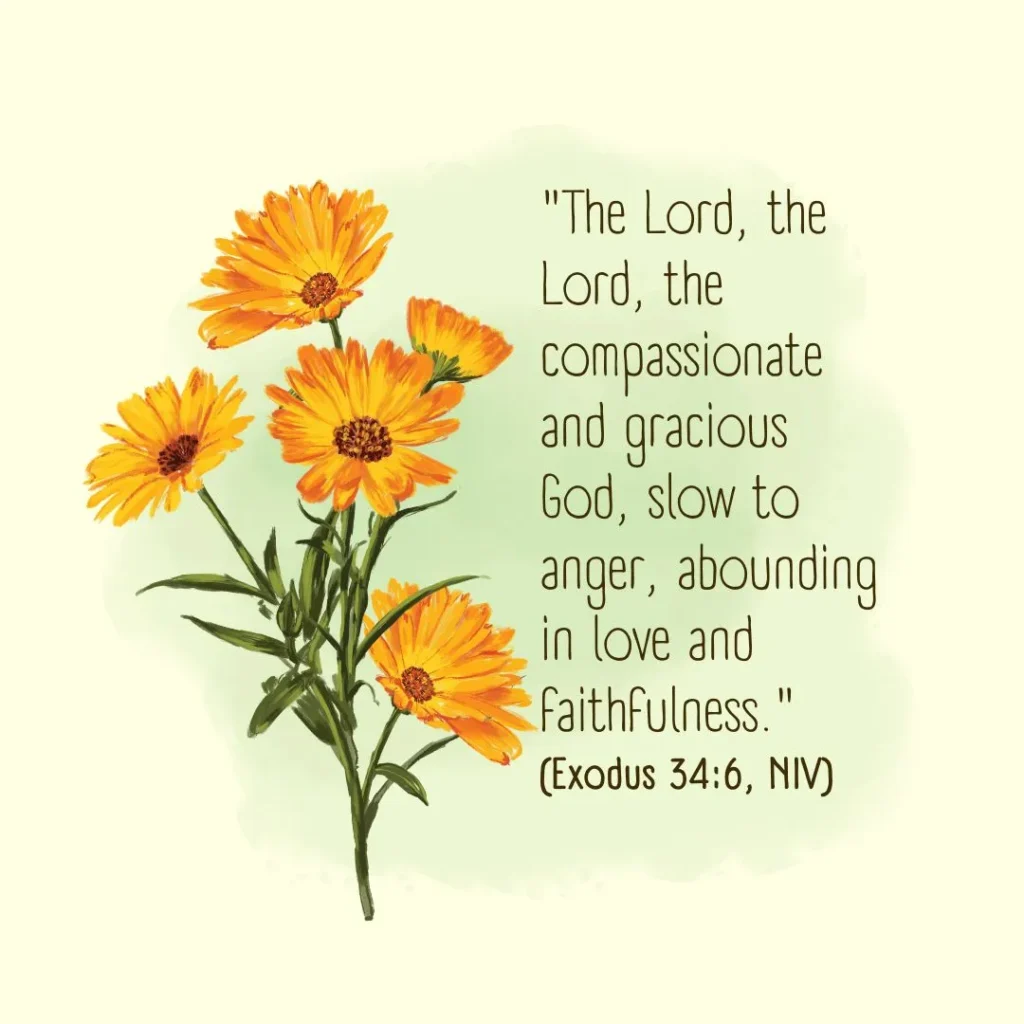
“The Lord, the Lord, the compassionate and gracious God, slow to anger, abounding in love and faithfulness.” (Exodus 34:6, NIV)
This was more than a description of what God does it was a declaration of who He is. His mercy flows from His character. Throughout Scripture, God consistently responds to repentant people with patience, compassion, and faithful love.
Psalm 103:8 repeats this same truth:
“The Lord is compassionate and gracious, slow to anger, abounding in love.” (Psalm 103:8, NIV)
If you have ever wondered about the mercy meaning Bible teaches, these verses give the clearest answer. Biblical mercy is God’s compassionate love shown to people who cannot earn His favor. It reminds us that while sin has real consequences, God’s desire is to forgive, restore, and draw people back to Himself.
The Original Meaning in Scripture
The original Bible languages help us appreciate this truth even more. In the Old Testament, one important Hebrew word for mercy is hesed, often describing God’s faithful, covenant love that never abandons His people. Another Hebrew word, raham, expresses deep compassion like the tender love of a caring parent.
In the New Testament, the Greek word eleos refers to active compassion that moves someone to help another person in need. Jesus demonstrated this mercy repeatedly by forgiving sinners, healing the sick, and welcoming those whom society had rejected.
Understanding these words is helpful, but the Bible never treats mercy as just a definition to memorize. It is a living picture of God’s heart revealed through His actions. Every act of forgiveness, every promise of restoration, and ultimately the gift of Jesus Christ points to the same truth: God’s mercy reaches people who could never save themselves.
What Is the Difference Between Mercy and Grace?
Many Christians use the words mercy and grace together, and while they are closely connected, they are not the same. Understanding the difference helps us appreciate the fullness of God’s love and the gospel of Jesus Christ.
Mercy vs. Grace Explained Simply
A simple way to remember the difference is this:
| Mercy | Grace |
|---|---|
| God withholds the punishment we deserve because of our sin. | God gives us blessings and salvation that we could never earn. |
Mercy answers our greatest problem our guilt before a holy God. Grace answers our greatest need new life through Jesus Christ.
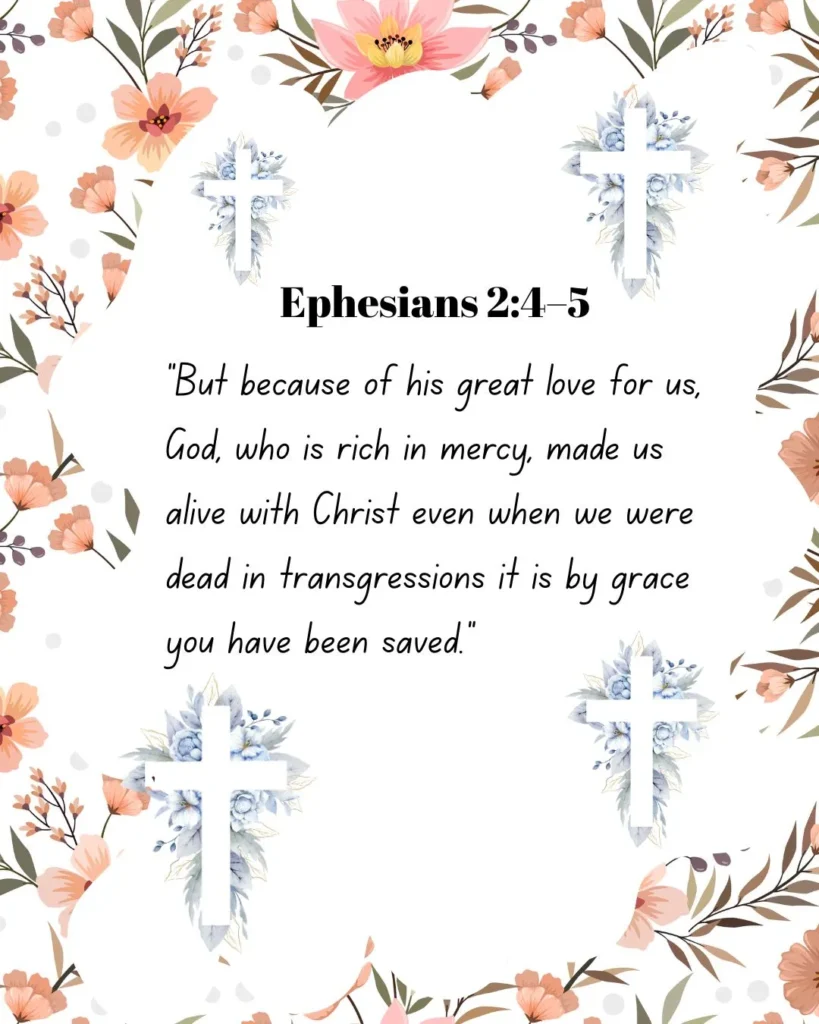
The Apostle Paul beautifully connects these two truths in Ephesians 2:4–5:
“But because of his great love for us, God, who is rich in mercy, made us alive with Christ even when we were dead in transgressions it is by grace you have been saved.” (NIV)
Notice the order. Paul first points to God’s mercy. Although humanity was spiritually dead because of sin, God did not leave us under judgment. Out of His mercy, He acted with compassion. Then, by His grace, He gave the gift of salvation through Christ.
This is why the mercy vs grace comparison is so important. Mercy keeps us from receiving the judgment our sins deserve, while grace gives us the eternal life we could never achieve by our own efforts.
Why Believers Need Both Mercy and Grace
Every believer depends on both God’s mercy and His grace every single day. Mercy assures us that when we sincerely repent, God is willing to forgive because Jesus bore the penalty for our sins on the cross. Grace reminds us that our relationship with God is a gift, not something we can earn through good works or personal effort.
James also reminds Christians that mercy should shape the way we treat others:
“Mercy triumphs over judgment.” (James 2:13, NIV)
James is not saying that justice no longer matters. Instead, he teaches that those who have personally experienced God’s mercy should reflect that same compassion in their relationships with others. A heart changed by Christ becomes more willing to forgive, show kindness, and extend compassion instead of seeking revenge.
When we understand what does grace and mercy mean in the Bible, we begin to see the beauty of the gospel more clearly. God’s mercy rescues us from the condemnation of sin, and His grace welcomes us into His family as His beloved children. Together, they reveal a God who is perfectly holy, perfectly just, and perfectly loving.
How Does God Show Mercy Throughout the Bible?
God’s mercy is not just a teaching found in a few verses it is woven throughout the entire story of Scripture. From the first pages of Genesis to the life, death, and resurrection of Jesus Christ, God continually reaches out to people with compassion, even when they have failed Him. Looking at these examples helps us understand what God’s mercy means in the Bible and why believers can still trust in it today.
Mercy in the Old Testament
One of the earliest pictures of God’s mercy appears after Adam and Eve sinned in the Garden of Eden. Their disobedience brought shame and separation from God, yet He did not leave them without hope. Instead, God made garments of skin to cover their nakedness (Genesis 3:21). While sin carried serious consequences, His act of providing for them revealed both His justice and His compassion.
King David’s life also demonstrates God’s mercy. After his sins involving Bathsheba and Uriah, David confessed his wrongdoing instead of hiding it forever. God disciplined him, but He also forgave him when he came with genuine repentance. David’s prayer in Psalm 51 shows that God’s mercy is available to those who humbly seek His forgiveness.
Another powerful example is the city of Nineveh. God sent the prophet Jonah to warn its people of coming judgment. When they repented, fasted, and turned from their evil ways, God showed compassion and withheld the destruction He had announced (Jonah 3:5–10). His mercy was extended not because the people deserved it, but because He delights in responding to sincere repentance.
These accounts remind us that God’s mercy has always been part of His character. He remains holy and just, yet He is eager to forgive those who turn back to Him with humble hearts.
Mercy Revealed Through Jesus Christ
The clearest expression of God’s mercy is found in Jesus Christ. Throughout His earthly ministry, Jesus welcomed people whom others rejected. He forgave sinners, healed the broken, and restored those who came to Him in faith.
When the religious leaders brought a woman caught in adultery before Jesus, they wanted condemnation. Jesus upheld the seriousness of sin, yet He also offered mercy by saying, “Neither do I condemn you. Go now and leave your life of sin” (John 8:11, NIV). His words never excused sin, but they opened the door to repentance and a changed life.
Even while suffering on the cross, Jesus showed mercy to the repentant criminal beside Him. After the man admitted his guilt and placed his faith in Christ, Jesus promised, “Truly I tell you, today you will be with me in paradise” (Luke 23:43, NIV). In his final moments, that man experienced the saving mercy of God not because of anything he had done, but because he trusted the Savior.
These moments point to the greatest act of mercy in history. At the cross, Jesus willingly took the punishment our sins deserved so that everyone who believes in Him could receive forgiveness and eternal life. God’s mercy is therefore more than an act of kindness it is His loving invitation to be reconciled with Him through Christ.
How Should Christians Live Out God’s Mercy?
God never intended His mercy to stop with us. When we truly understand how much He has forgiven and restored us through Jesus Christ, our hearts begin to change. We become more willing to extend the same compassion, patience, and forgiveness to others. Living mercifully is not about earning God’s favor it is the natural response of a life transformed by His grace.
Receiving God’s Mercy Personally
Before we can show mercy to others, we must first receive God’s mercy ourselves. The Bible invites us to come to Him with honest repentance, trusting that He is ready to forgive those who turn to Him in faith.
The writer of Hebrews gives believers this encouraging invitation:
We can confidently come before God’s throne because, through Christ, we will receive mercy and find the grace we need whenever we need His help. (Based on Hebrews 4:16)
This promise does not say we come because we are worthy. We come because Jesus has already made a way for us. Whether someone is carrying guilt from past mistakes, struggling with present failures, or feeling spiritually weak, God’s invitation remains the same draw near to Him.
Receiving God’s mercy also requires humility. We stop trying to justify ourselves and instead admit our need for the Savior. As we experience His forgiveness, our confidence grows, not in ourselves, but in His faithful love.
Showing Mercy to Others
Jesus made it clear that those who have received God’s mercy should reflect it in their daily lives. He taught:
Show mercy to others in the same way your heavenly Father continually shows mercy to you. (Based on Luke 6:36)
This command calls believers to imitate God’s character. Showing mercy does not mean ignoring sin or pretending that wrong actions do not matter. Instead, it means responding with compassion while still honoring truth. Jesus consistently demonstrated both. He welcomed sinners with love, yet He also called them to repentance and a new way of life.
The prophet Micah summarizes God’s desire for His people in a simple but powerful way:
God has already shown us what is good: live justly, love showing mercy, and walk humbly with Him every day. (Based on Micah 6:8)
This verse reminds us that mercy is not only something we receive from God—it is also something we are called to practice. A merciful heart chooses forgiveness over bitterness, compassion over indifference, and humility over pride.
Jesus also gave this encouraging promise:
Those who show mercy to others will themselves experience God’s mercy. (Based on Matthew 5:7)
This does not mean we earn salvation by our good deeds. Rather, it shows that people who have truly experienced God’s mercy begin to reflect His heart in the way they treat others. Mercy becomes evidence of a life that has been changed by Christ.
Living out God’s mercy can be as simple as:
- Forgiving someone who has hurt you instead of holding on to resentment.
- Showing kindness to a person who is struggling or feels forgotten.
- Speaking gently during conflict instead of reacting with anger.
- Offering practical help to someone in need without expecting anything in return.
- Sharing the hope of Jesus with people who are searching for forgiveness and peace.
Every act of mercy points people back to the heart of God. As we receive His compassion day by day, the Holy Spirit shapes us to become more like Christ. Mercy is not simply a biblical idea to admire it is a Christ-like way of living that reflects God’s love to a world that desperately needs hope.
Conclusion
Most believers can look back on a season when they failed God and wondered if He would still receive them. It is often in those quiet moments of repentance that His mercy becomes more than a biblical truth it becomes a personal reality that changes the heart.
Understanding what does mercy mean in the Bible is about more than learning a definition it is about discovering the heart of God. From the beginning of Scripture to the sacrifice of Jesus Christ, God’s mercy is seen in His desire to forgive, restore, and welcome people back into a relationship with Him. His mercy reminds us that our failures do not have the final word when we place our trust in Christ.
If you are carrying guilt, shame, or regret today, remember that God’s mercy is still available. Through Jesus, He invites you to turn to Him with a humble heart, receive His forgiveness, and walk in the hope of a new life. As you experience His compassion, ask Him to help you extend that same mercy to others through your words, your actions, and your daily life.
A heart transformed by God’s mercy does not remain unchanged. It begins to reflect His love in quiet forgiveness, patient kindness, and a deeper understanding of grace. In this way, mercy becomes not just something we receive but something we live.

Hi, I’m Prashanta Kumbhar, a Christian blogger, faith writer, and the founder of Light and Gospel (LightandGospel.com), based in Odisha, India.
I regularly write Bible devotionals, prayers, Scripture reflections, and faith-based messages to encourage people in their daily walk with Jesus Christ and help them grow in hope, faith, and spiritual strength.
Along with blogging, I also create Christian content on my YouTube channel “The God Helps” and share faith, prayer, Bible study, and motivational messages across social media platforms like Facebook & Instagram. My mission is to make God’s Word simple, practical, & meaningful for everyday life.