
Faith is one of the most important teachings in the Bible, yet many people misunderstand what it truly means. Some think faith is only believing that God exists, but Scripture shows a deeper truth. Biblical faith is complete trust in God’s character, His promises, and His Word.
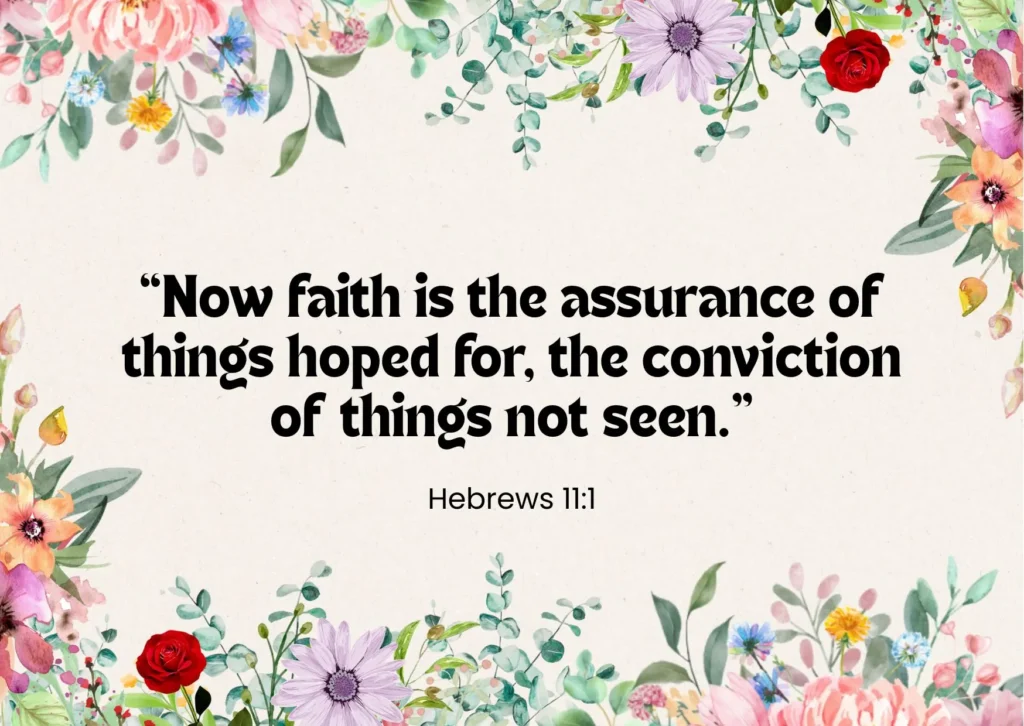
Hebrews 11:1 (NIV) explains faith as “confidence in what we hope for and assurance about what we do not see.” This means faith is not based on feelings or visible evidence but on trust in God’s truth.
“In this article, we will clearly understand what does the Bible say about faith, the meaning of biblical faith, how faith works with actions, and how true faith transforms a believer’s life in practical ways.”
What Is Faith According to the Bible?
Faith in the Bible is more than believing that God exists. It is a deep trust and confident reliance on God’s character, His promises, and His Word. Biblical faith shapes how a believer thinks, lives, and responds in every situation.
Hebrews 11:1 (NIV) describes faith as “confidence in what we hope for and assurance about what we do not see.” This shows that faith is not based on physical proof but on trust in God’s truth even when circumstances are unclear.
True biblical faith is active, not passive. It moves a person from simply knowing about God to actually depending on Him in daily life.
Faith as Trust in God’s Character
Faith begins with trusting who God is. The Bible reveals God as faithful, loving, and unchanging. When believers trust His nature, they are able to remain steady even in difficult seasons.
This kind of faith does not depend on emotions or situations but on the certainty that God never fails.
Faith as Confidence in God’s Promises
Biblical faith also means believing that God will fulfill what He has promised. Whether it is guidance, provision, or salvation, faith holds firmly to God’s Word.
Even when fulfillment is delayed, faith continues to trust that God’s timing is perfect.
Faith vs Simple Belief
Faith is different from just intellectual belief. A person may believe facts about God but still not trust Him personally.
James 2:19 shows this difference by stating that even demons believe God exists, but they do not submit to Him. True faith always leads to surrender, trust, and obedience.
What Does the Bible Say About Faith and Works?
The Bible teaches a clear connection between faith and works. While salvation is received by grace through faith, genuine faith is never empty. It always produces visible change in a believer’s life.
James 2:17 (NIV) says, “Faith by itself, if it is not accompanied by action, is dead.” This means real faith is not only something we believe in our hearts but something that is reflected in our actions.
Faith and works are not in competition. Instead, works are the natural result of true faith in God.
Faith and Works in James 2
James explains that claiming faith without action is meaningless. If a person says they trust God but their life shows no obedience, that faith is questioned.
True faith is demonstrated through actions like love, obedience, and righteous living. These works do not save a person, but they reveal that faith is real.
Why True Faith Produces Action
Biblical faith always leads to transformation. When someone truly trusts God, their decisions, behavior, and priorities begin to change.
Faith influences how a person prays, forgives others, and follows God’s commands. Without this change, faith remains only words, not life.
Grace and Salvation Balance
The Bible is clear that salvation is a gift of grace, not something earned through works. Ephesians 2:8–9 teaches that no one can boast about their own effort.
Works come after salvation, not before it. They are the evidence of a changed heart, not the reason for salvation.
What Does the Bible Say About Faith Without Works?
The Bible is very clear that faith without works is incomplete. Genuine biblical faith always produces evidence through actions, obedience, and life transformation. When faith remains only in words and never changes behavior, Scripture describes it as dead faith.
James 2:26 (NIV) says, “As the body without the spirit is dead, so faith without deeds is dead.” This verse highlights that true faith is alive and active, not silent or inactive.
Faith without works does not mean salvation is earned by actions. Instead, it shows that real faith cannot exist without visible fruit.
What James Teaches About Dead Faith
James warns believers about a type of faith that is only spoken but never lived. A person may claim to believe in God, but if there is no obedience or change, that faith is questioned.
Dead faith is intellectual agreement without transformation. It recognizes truth but refuses to respond to it.
Living Faith vs Empty Belief
Living faith is active and growing. It trusts God enough to obey Him even when it is difficult.
Empty belief, on the other hand, only agrees with facts about God but does not surrender life to Him. The difference is seen in daily choices, attitudes, and actions.
Faith Must Produce Visible Fruit
True faith always produces fruit in a believer’s life. This includes love, obedience, repentance, and spiritual growth.
When someone truly trusts God, their life naturally reflects that trust. Without this transformation, faith remains incomplete and unproven.
What Does the Bible Say About Works Without Faith?
The Bible teaches that works without faith have no spiritual value before God. Good actions may look right on the outside, but if they are not rooted in faith, they cannot produce righteousness or salvation.
Romans 14:23 (NIV) says, “Everything that does not come from faith is sin.” This shows that even good deeds lose their spiritual meaning when they are not connected to trust in God.
Works without faith are focused on human effort instead of God’s grace. They may bring temporary approval from people, but they cannot make a person right with God.
Why Human Effort Alone Is Not Enough
The Bible makes it clear that human effort cannot achieve salvation. No matter how good a person’s actions are, they are not enough to remove sin or earn eternal life.
Without faith, works become self-reliance. Instead of depending on God, a person depends on their own strength, which is limited and imperfect.
The Problem of Outward Religion Without Inner Faith
Scripture often warns against outward religious actions without true heart faith. A person may pray, give, or serve, but if their heart is not trusting God, these actions lose spiritual meaning.
God looks at the heart, not just external behavior. Faith is what gives value to every action done for Him.
Faith Is the Foundation of Acceptable Works
Biblical works are only meaningful when they are built on faith. When a person believes in God and trusts Him, their actions become an expression of that trust.
Faith transforms works from empty effort into meaningful obedience that honors God.
What Does the Bible Say About Faith Without Action?
The Bible teaches that faith without action is not complete faith. True biblical faith always leads to obedience and visible change in a believer’s life. If someone says they believe in God but their life shows no response to His Word, Scripture questions the reality of that faith.
James 2:18 (NIV) says, “Show me your faith without deeds, and I will show you my faith by my deeds.” This verse clearly shows that faith is proven through action, not just words.
Faith without action is inactive belief. It stays in the mind but never reaches the heart and behavior.
Why Action Is the Evidence of Faith
Biblical faith is always active. When a person truly trusts God, it naturally leads to obedience, prayer, forgiveness, and righteous living.
Action does not create faith, but it reveals it. Without action, faith remains unseen and unproven in real life.
The Danger of Passive Belief
Passive belief is when a person agrees with God’s truth but does not respond to it. This kind of faith does not transform life because it never moves beyond knowledge.
The Bible warns that hearing the Word without doing it leads to self-deception. True faith responds to God’s instructions with obedience.
Living Faith Always Produces Change
When faith is real, it produces change in thoughts, behavior, and priorities. A believer begins to walk differently because their trust in God shapes their decisions.
This change is not forced. It is the natural result of a heart that truly believes in God.
What Does the Bible Say About Faithfulness?
The Bible teaches that faithfulness is both a characteristic of God and a calling for His people. While faith means trusting God, faithfulness means continuing to trust and obey Him consistently over time, even in difficult seasons.
2 Timothy 2:13 (NIV) says, “If we are faithless, He remains faithful, for He cannot disown Himself.” This verse shows that God’s faithfulness is not dependent on human behavior. He remains true to His nature always.
Because God is faithful, believers are also called to live faithfully in their walk with Him.
God’s Unchanging Faithfulness
Throughout Scripture, God repeatedly shows His faithfulness to His people. He keeps His promises, provides guidance, and remains present even when people fail.
From Abraham to Israel to the church today, God has never broken His Word. His faithfulness is the foundation of Christian hope.
What It Means to Be Faithful as a Believer
Being faithful to God means staying committed to Him in every situation. It includes trusting Him during trials, obeying His Word, and continuing in prayer and worship.
Faithfulness is not perfection. It is consistent trust in God despite weaknesses and challenges.
Faithfulness as a Mark of Spiritual Growth
A growing believer becomes more stable, obedient, and consistent in their walk with God. This reflects spiritual maturity.
Faithfulness shows that faith is not temporary emotion but a lasting relationship with God built on trust.
FAQ: What Does the Bible Say About Faith?
1. What does the Bible say about faith in simple words?
The Bible says faith means trusting God completely, even when we cannot see the outcome. It is confidence in God’s promises and His Word.
2. What is the biblical definition of faith?
Hebrews 11:1 defines faith as confidence in what we hope for and assurance about what we do not see. It is trust in God beyond physical evidence.
3. What is the difference between faith and works in the Bible?
Faith is trusting God for salvation, while works are the evidence of that faith. True faith always produces actions that reflect obedience to God.
4. Can faith exist without actions?
According to James 2:17, faith without action is dead. Real faith always leads to visible change in a believer’s life.
5. Why is faith important in Christianity?
Faith is important because it is the means of salvation, the foundation of our relationship with God, and the source of spiritual strength in daily life.
Conclusion: The True Meaning of Faith in the Bible
The Bible clearly teaches that faith is not just belief but deep trust in God’s character, promises, and Word. It is living confidence that leads to obedience and transformation.
True faith is always active. It produces works, grows through trials, and remains faithful over time. Without faith, it is impossible to please God, but through faith, believers receive salvation and spiritual strength.
As seen throughout Scripture, God is perfectly faithful, and He calls His people to reflect that faithfulness in their own lives. When we trust Him fully, our faith becomes real, living, and life-changing.
If you want to see how many times the Bible talks about faith, you can read our guide on how many times faith appears in the Bible.

Hi, I’m Prashanta Kumbhar, a Christian blogger, faith writer, and the founder of Light and Gospel (LightandGospel.com), based in Odisha, India.
I regularly write Bible devotionals, prayers, Scripture reflections, and faith-based messages to encourage people in their daily walk with Jesus Christ and help them grow in hope, faith, and spiritual strength.
Along with blogging, I also create Christian content on my YouTube channel “The God Helps” and share faith, prayer, Bible study, and motivational messages across social media platforms like Facebook & Instagram. My mission is to make God’s Word simple, practical, & meaningful for everyday life.